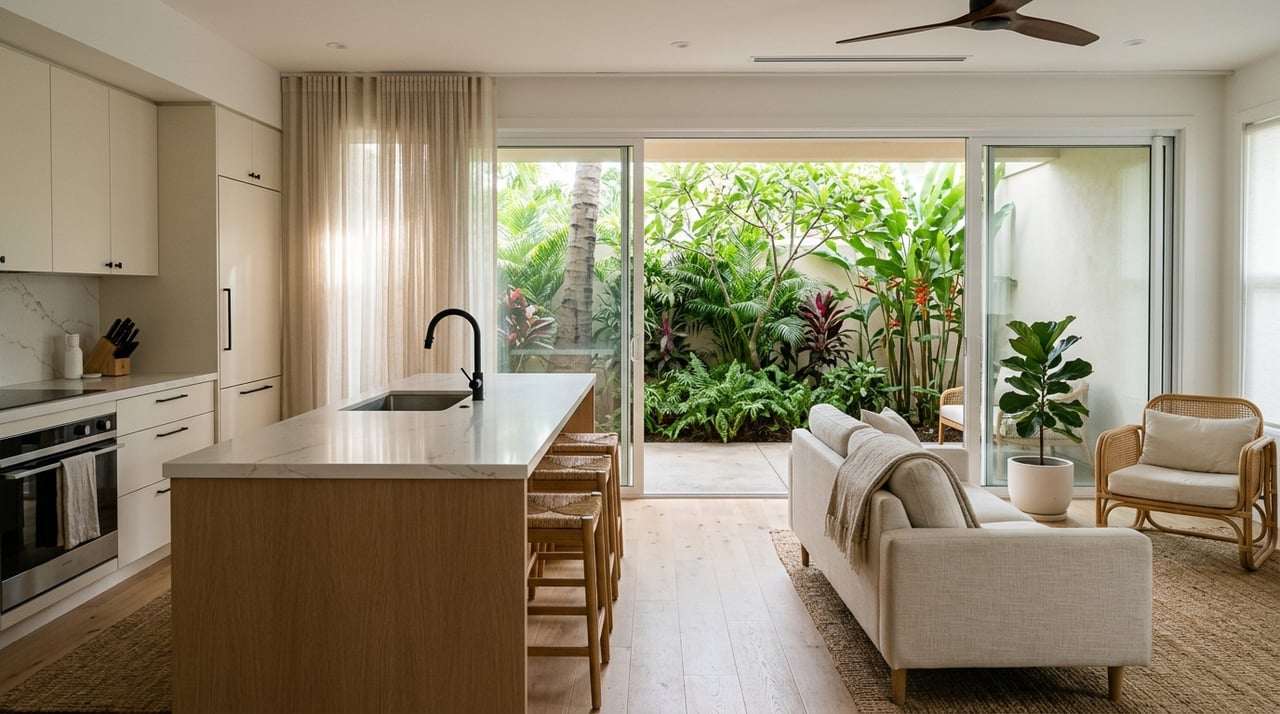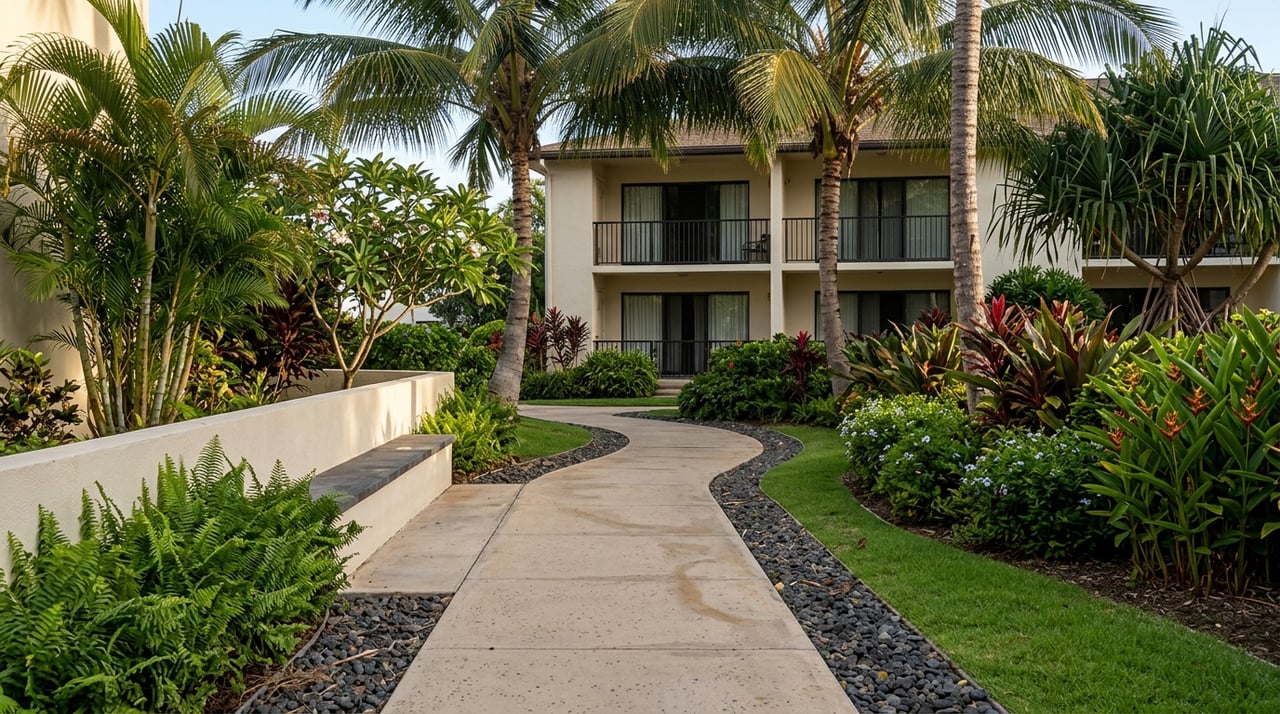
If you own a property in Lihue but live on the mainland, selling it can feel like a logistical puzzle. You may be wondering how to handle prep work, signatures, disclosures, showings, and closing without getting on a plane. The good news is that Hawaii’s digital-friendly transaction process makes remote selling very possible when you plan ahead and work with the right local support. Let’s dive in.
Why remote selling works in Lihue
Selling from afar is realistic in Hawaii because much of the transaction process can be handled electronically. Hawaii recognizes electronic records and signatures when the parties agree to transact electronically, remote online notarization is allowed for remotely located individuals, and the Bureau of Conveyances offers e-recording for documents submitted online.
That does not mean every step is automatic. It means you can complete many major parts of the sale without being on island, as long as your timeline, documents, and closing steps are organized early.
What mainland owners should expect in the Lihue market
One of the biggest mistakes remote sellers make is assuming a property will move instantly. Recent public market snapshots for Lihue suggest a more measured pace, not an ultra-fast one.
For example, public reports in early 2026 showed days on market ranging from about 63 days to more than 100 days, depending on the source and property type. Reported price points also varied by source, with city and county snapshots showing different listing, sale, and value estimates.
The key takeaway is simple: price your property from current local comparables, not from one portal estimate. Because these reports use different methods and time periods, they are better used as directional signals than as one-to-one pricing tools.
Start with a front-loaded selling plan
When you are selling remotely, efficiency comes from doing more before the listing goes live. A front-loaded plan reduces delays, limits last-minute decisions, and helps your property hit the market in strong showing condition.
That plan usually includes cleanup, small repairs, staging decisions, professional photography, and a clear access strategy for showings. If you wait until buyers are already circling, simple tasks can turn into stressful delays.
Prep the property before launch
Your goal is to make the home easy to photograph, easy to show, and easy to evaluate. For mainland owners, that usually means relying on a local point person to coordinate the physical details.
A solid prep phase may include:
- Deep cleaning
- Yard or exterior touch-ups
- Minor repairs
- Staging or light furnishing decisions
- Photography scheduling
- Lockbox or showing-access setup
This step matters even more in a market where homes may take weeks or months to sell. Good preparation helps you enter the market with momentum instead of spending the first few weeks fixing avoidable issues.
Gather documents early
Documents can slow down a remote sale if you wait too long. Start collecting the records and property information you may need before the listing is active.
If your Lihue property is a condo or is subject to recorded restrictions, Hawaii law requires the seller to provide applicable governing documents such as the declaration, bylaws, house rules, and related materials. That makes early document gathering especially important for condo sellers.
Understand Hawaii disclosure timing
Seller disclosures are not something to leave for the last minute. Hawaii’s disclosure law has specific timing rules, and those deadlines matter whether you live on Kauai or thousands of miles away.
The disclosure statement must be signed and dated within six months before acceptance of the purchase contract, or within ten calendar days after acceptance. It also must be delivered to the buyer within ten calendar days of acceptance.
After the buyer receives the disclosure, they have 15 calendar days to review it and decide whether to rescind. Because this review period can affect your timeline, it is smart to get disclosures moving early and keep them accurate and complete.
Why disclosure prep matters for remote sellers
Remote sellers often lose time because they are trying to remember property details from afar. If the home has been rented, used seasonally, or held for years, details may not be top of mind.
Getting organized early gives you more time to review records, confirm known issues, and complete the disclosure process carefully. It also helps reduce avoidable back-and-forth once you are under contract.
Plan for inspections and repair requests
In Hawaii, buyers are specifically encouraged through the disclosure process to consider professional advice and inspections. That means inspection reports and repair requests are a normal part of many transactions.
If you are selling from the mainland, the best move is to decide ahead of time how you want to handle common repair scenarios. That way, you are not making rushed decisions from another time zone after an inspection report arrives.
Decide your repair strategy in advance
Before you list, think through the categories below:
- Items you are willing to repair
- Items you would rather credit for
- Items you plan to decline
- Dollar amounts that would require a second opinion
This kind of planning can make negotiations smoother. It also helps your agent respond quickly when buyers raise repair concerns.
How signatures and notarization work remotely
Many mainland owners ask the same question: can I really sign everything from home? In many cases, yes, but it is still important to confirm which documents can be e-signed and which may need notarization.
Under Hawaii’s Uniform Electronic Transactions Act, electronic records and signatures have legal recognition when the parties agree to transact electronically. In practical terms, many listing and contract documents can move through a secure e-signing process.
When remote notarization may be needed
Some closing documents may still require notarization. Hawaii allows a remotely located individual to meet the personal-appearance requirement through communication technology with a Hawaii remote online notary.
The notary must verify identity through allowed methods such as personal knowledge, a credible witness, or identity-proofing and credential analysis procedures. This is one of the main reasons a mainland closing can work without an in-person trip.
Recording can also move digitally
On the recording side, Hawaii’s Bureau of Conveyances offers e-recording for documents submitted over the internet. Hawaii law also allows certain tangible copies of electronic documents with notarial certificates to be accepted for recording when properly certified by the notary.
Together, these systems support a practical remote closing process. The exact document flow can vary, so it helps to confirm the expected signing and recording steps well before closing week.
Special issues for Lihue condos and shoreline properties
Not every Lihue property has the same paperwork. Two common issue areas are condos and properties affected by Hawaii’s sea level rise disclosure rules.
Condo sales need an extra document layer
If you are selling a condo, expect more than the standard seller disclosure packet. Condo resales often involve governing documents, public reports, financial information, and other association materials.
Because Hawaii law requires the seller to provide applicable declaration, bylaws, rules, and related documents, it is wise to request those items early. Waiting can slow down your timeline and frustrate a buyer who is ready to review the file.
Shoreline properties may need another disclosure check
If the property falls within Hawaii’s sea level rise exposure area, a separate disclosure may be required under state law. This is not a universal issue for every property in Lihue, but it is an important check if the home is near the shoreline or in an affected area.
For remote owners, this is another reason to review the file before launch instead of after an offer comes in. Situational disclosures are easier to manage when you build them into the listing plan.
Why local coordination matters most
When you are not on island, the local agent’s role becomes less about opening doors and more about managing sequence. Remote sales succeed when someone local is actively moving each part forward in the right order.
That includes coordinating prep work, gathering condo materials, scheduling photography, managing showing access, lining up inspections, reviewing repair options, handling digital signatures, and helping push the file through escrow and recording. In a market that can take time, this kind of hands-on management can keep the sale from drifting.
A simple remote selling checklist
If you want to sell your Lihue property from the mainland, focus on these steps first:
- Review pricing using current local comparables
- Schedule cleanup, repairs, and photo prep
- Set up access for showings
- Gather disclosures and property records
- Request condo documents early if applicable
- Check whether any shoreline-related disclosure applies
- Confirm which documents can be e-signed
- Ask in advance which closing documents may need notarization
- Decide your repair negotiation strategy
- Keep your communication fast once the property is live
Remote selling is very doable, but it works best when the process is proactive instead of reactive.
If you are thinking about selling a Lihue home or condo from the mainland, the right plan can save you time, reduce stress, and keep your sale moving. Michael Ambrose offers hands-on Kauai listing support, strong marketing preparation, and clear remote transaction management from launch through closing. Call or text anytime to discuss your Kauai real estate goals.
FAQs
Can I sell a Lihue home without coming to Kauai?
- Yes. Hawaii recognizes electronic signatures and records when the parties agree to transact electronically, and remote online notarization and e-recording are available for many closing steps.
When do I need to complete seller disclosures for a Lihue property sale?
- Hawaii requires the disclosure statement to be signed and dated within six months before acceptance or within ten calendar days after acceptance, and it must be delivered to the buyer within ten calendar days of acceptance.
What should I do first when selling a Lihue condo remotely?
- Start requesting condo documents early, because applicable declaration, bylaws, house rules, and related materials are part of the seller’s required document package.
Do all Lihue properties need a sea level rise disclosure?
- No. This is a situational requirement that applies if the property is within Hawaii’s sea level rise exposure area.
How long might it take to sell a property in Lihue?
- Recent public snapshots suggest a measured market, with reported days on market ranging from roughly 63 to more than 100 depending on the source, time period, and property type.