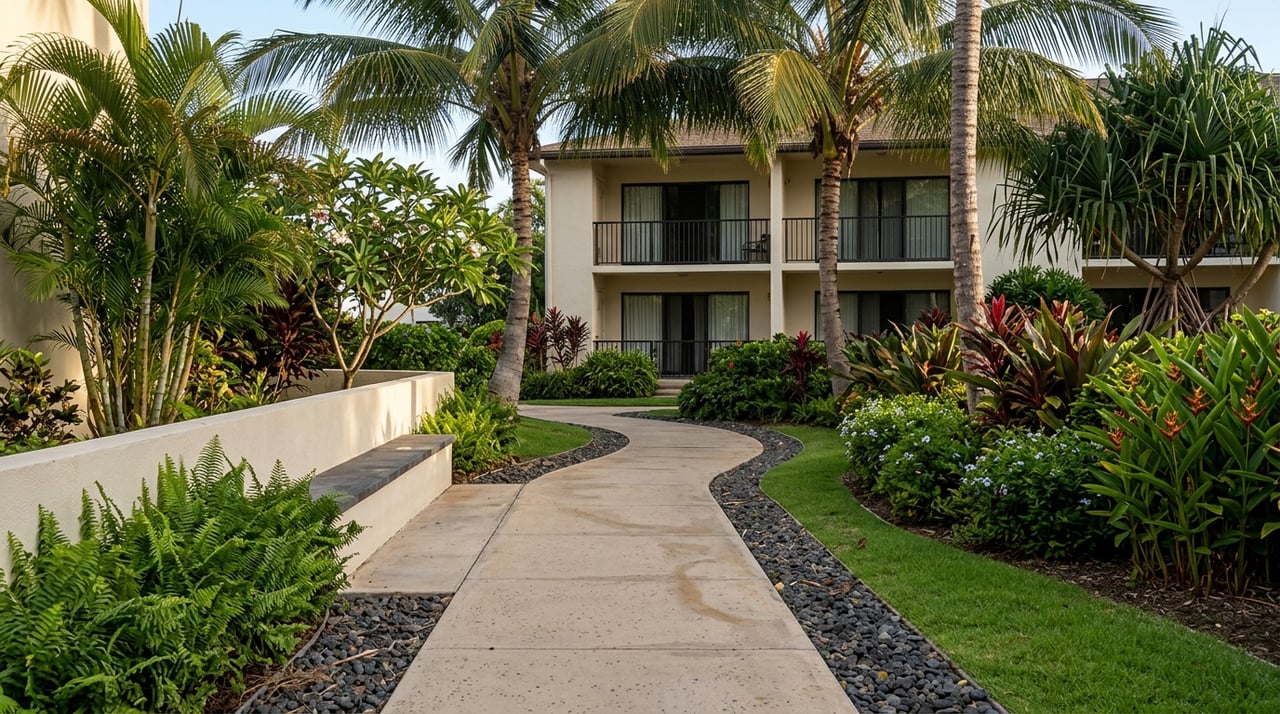
If you picture your day starting with an oceanfront walk, a bike ride to coffee, or an easy stroll into town, living near the Kapaʻa Coastal Path may be exactly the lifestyle you have in mind. On Kauai’s East Side, this area blends shoreline access, a paved multi-use path, and a town core where many errands and outings are close at hand. If you are exploring condos, single-family homes, or a second-home purchase in Kapaʻa, it helps to understand how the path shapes daily life. Let’s dive in.
Why the Kapaʻa Coastal Path Stands Out
Ke Ala Hele Makālae is a shared-use coastal path on Kauai’s East Side that runs about 8 miles in two segments. It is paved and designed for walking, jogging, biking, and skating, which gives the area a practical lifestyle feature that goes beyond a simple scenic amenity.
The path is separate from Kūhiō Highway in many stretches and is described as relatively flat. Access points include parking at Lydgate Beach Park, Waipouli Beach Park, and Kapaʻa Beach Park, which helps make it easy to enjoy whether you live right nearby or a little farther away.
Along the route, you will also find interpretive signs and broad ocean views. Depending on the season, the coastline can offer opportunities to spot whales or monk seals, adding to the sense that this is not just transportation infrastructure, but part of the East Side experience.
In 2024, Kauai County highlighted the trail as a community asset tied to health, connectivity, and public access when it was nominated for the Rails-to-Trails Conservancy Hall of Fame. For buyers, that matters because it shows the path is a meaningful part of the area’s identity.
Daily Life Near the Path
One of the biggest lifestyle advantages of this part of Kapaʻa is how the path connects with nearby shops, parks, and public spaces. Instead of getting in the car for every small outing, you may be able to combine walking or biking with parts of your daily routine.
Kapaʻa Town is the main commercial hub nearby. According to county planning materials and the official Hawaii tourism site, the area includes small shops, restaurants, sidewalks, beach-park access, and a walkable historic core with plantation-style architecture.
Nearby activity centers include Coconut Marketplace, Waipouli Town Center, and Kauai Village Shopping Center. Old Kapaʻa Town also hosts a monthly first Saturday event with live music, local crafts, and food, which adds another layer of day-to-day and weekend activity for people living in the area.
A Car-Light Lifestyle Is Realistic
If you want to reduce how often you drive, this part of the East Side offers real potential. The path supports biking and walking, and the county bus system serves the corridor with routes that stop at places such as Kapaʻa Skate Park, Wailua House Lots Park, Courtyards at Waipouli, and Wailua Homesteads Park.
The current route information also notes that buses are lift-equipped and have bike racks. That combination can support a car-light routine for some trips, especially if you are staying within the Kapaʻa and Wailua corridor.
That said, it is best to think of the area as car-light rather than fully car-free. Depending on where you live, where you work, and how often you travel beyond the East Side, a car may still be part of your routine.
What Homes Near the Path Look Like
If you are shopping in this area, one of the most useful ways to think about housing is not only condo versus house, but also coast-side versus mauka. That distinction often shapes how close you are to the trail, shops, and beach access.
County planning documents describe the corridor as passing by existing residences, condominiums, resort frontage, and residential streets. In practical terms, that means you will find a mix of property types rather than one single neighborhood pattern.
Coast-Side Options Near Waipouli and Kapaʻa
Closer to the shoreline, especially around Waipouli and Kapaʻa’s beachfront blocks, the housing mix tends to include condominiums and resort-adjacent properties near the path. These locations often place you closest to the coastal trail and nearby commercial nodes.
For buyers seeking convenience, these areas can be appealing because they put the walk-and-bike lifestyle front and center. If your goal is easy access to the path, beach parks, and nearby dining or shopping, coast-side properties may deserve a closer look.
This can also be a useful category for second-home buyers who want a more turnkey feel or for buyers comparing condo ownership with a detached home elsewhere on the island. The exact fit depends on your goals, budget, and preferred level of privacy and space.
Mauka Areas With a More Residential Feel
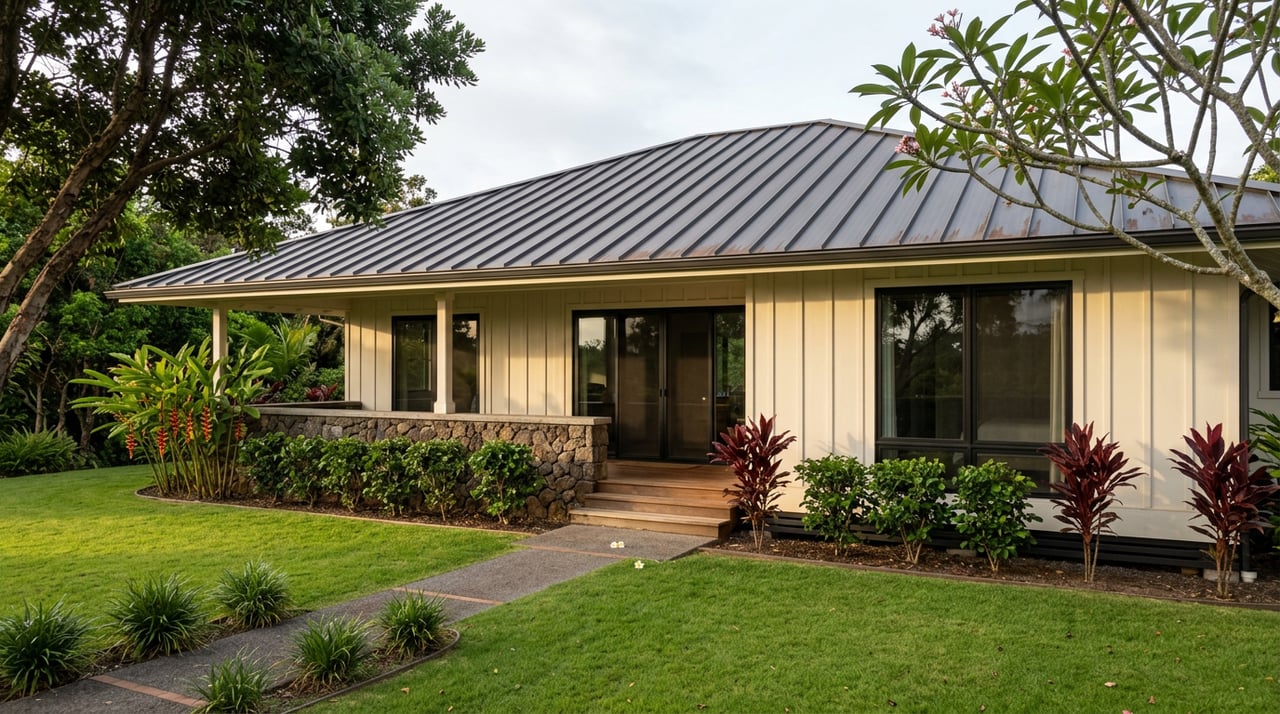
A little farther inland, county materials point to areas like Wailua House Lots as larger residential subdivisions connected to the path. The Moanakai Road section is also described as having single-family homes on the mauka side and ocean frontage on the makai side.
For many buyers, these mauka or slightly inland areas offer a more traditional residential setting while still benefiting from proximity to the trail corridor. You may trade immediate beachfront positioning for a neighborhood layout that feels more centered on full-time living.
If you want access to Kapaʻa amenities without being right on the coast-side frontage, this type of location can create a nice balance. It is often a good fit for buyers focused on long-term use, local living, or simply having a little more separation from the busiest visitor-oriented areas.
How to Think About Location Choices
When you compare homes near the Kapaʻa Coastal Path, it helps to focus on how you want to live day to day. The right location is often less about being as close as possible to the water and more about matching the area to your routine.
Ask yourself questions like:
- Do you want to walk or bike to shops and parks often?
- Do you prefer a condo or a single-family home?
- Would you rather be closest to the shoreline or slightly inland?
- Is a low-maintenance second home your goal?
- Do you want a more residential setting for full-time living?
These questions can quickly narrow your search. They also help you compare homes that may look similar on paper but offer very different daily experiences.
Why This Area Appeals to Different Buyers
The Kapaʻa Coastal Path area draws interest from more than one type of buyer because the lifestyle is flexible. You can find choices that work for full-time residents, second-home buyers, and people who simply want easier access to the East Side’s beaches and town amenities.
For mainland buyers, the appeal is often straightforward: you get a recognizable coastal setting, practical access to everyday stops, and a location that is easy to understand from a lifestyle standpoint. For local and relocating buyers, the attraction may be the balance of connectedness, recreation, and housing variety.
For buyers considering an investment or part-time-use property, the coast-side versus mauka distinction becomes especially important. It can affect how a property feels, how close it is to activity nodes, and how well it matches your intended use.
What to Watch During Your Search
As you explore properties near the path, try to evaluate more than the listing photos. The path itself may be a major draw, but your experience of the area will also depend on how the property connects to nearby parks, town services, and daily routes.
A few practical things to compare include:
- Distance to the path access points
- Proximity to Kapaʻa Town and Waipouli shopping areas
- Whether the property feels coast-side or more inland
- The balance between convenience and privacy
- How realistic a walk-bike-bus routine would be for your needs
This kind of location-based review is especially helpful if you are buying from the mainland and need a clear picture of how daily life would actually work. A strong local guide can help you sort through those tradeoffs before you make an offer.
If you are considering living near the Kapaʻa Coastal Path, the biggest advantage is not just the scenery. It is the way the area combines shoreline access, recreation, town convenience, and a range of property types within one connected part of Kauai’s East Side. Whether you are looking for a condo near Waipouli, a home in a more residential inland pocket, or a second-home option that supports an easy island routine, this corridor offers a lot to consider.
If you want help comparing neighborhoods, evaluating specific listings, or navigating a remote or local purchase on Kauai, call or text anytime to discuss your goals with Michael Ambrose.
FAQs
What is the Kapaʻa Coastal Path on Kauai?
- The Kapaʻa Coastal Path, also called Ke Ala Hele Makālae, is a paved shared-use path on Kauai’s East Side that runs about 8 miles in two segments and is used for walking, jogging, biking, and skating.
What is it like living near the Kapaʻa Coastal Path?
- Living near the Kapaʻa Coastal Path can mean easier access to shoreline recreation, beach parks, Kapaʻa Town, and nearby shopping areas, with some potential for a car-light routine depending on your location and daily needs.
What types of homes are near the Kapaʻa Coastal Path?
- The area near the path includes a mix of condominiums, resort-adjacent properties, and single-family homes, with more coast-side options near Waipouli and Kapaʻa beachfront areas and more traditional residential areas farther inland.
Can you live near the Kapaʻa Coastal Path without driving everywhere?
- You may be able to reduce how often you drive because the path supports walking and biking, and the county bus system serves the corridor with lift-equipped buses that also have bike racks, but the area should be viewed as car-light rather than fully car-free.
Is Kapaʻa Town close to the Kapaʻa Coastal Path?
- Yes, Kapaʻa Town is one of the main nearby hubs, offering shops, restaurants, sidewalks, beach-park access, and a walkable historic core connected to the broader East Side corridor.
How do I choose between coast-side and mauka homes near the Kapaʻa Coastal Path?
- Coast-side homes are generally closer to the trail, beach access, and shopping, while mauka or slightly inland homes may offer a more residential setting, so the best fit depends on whether you value convenience, housing type, or day-to-day neighborhood feel most.