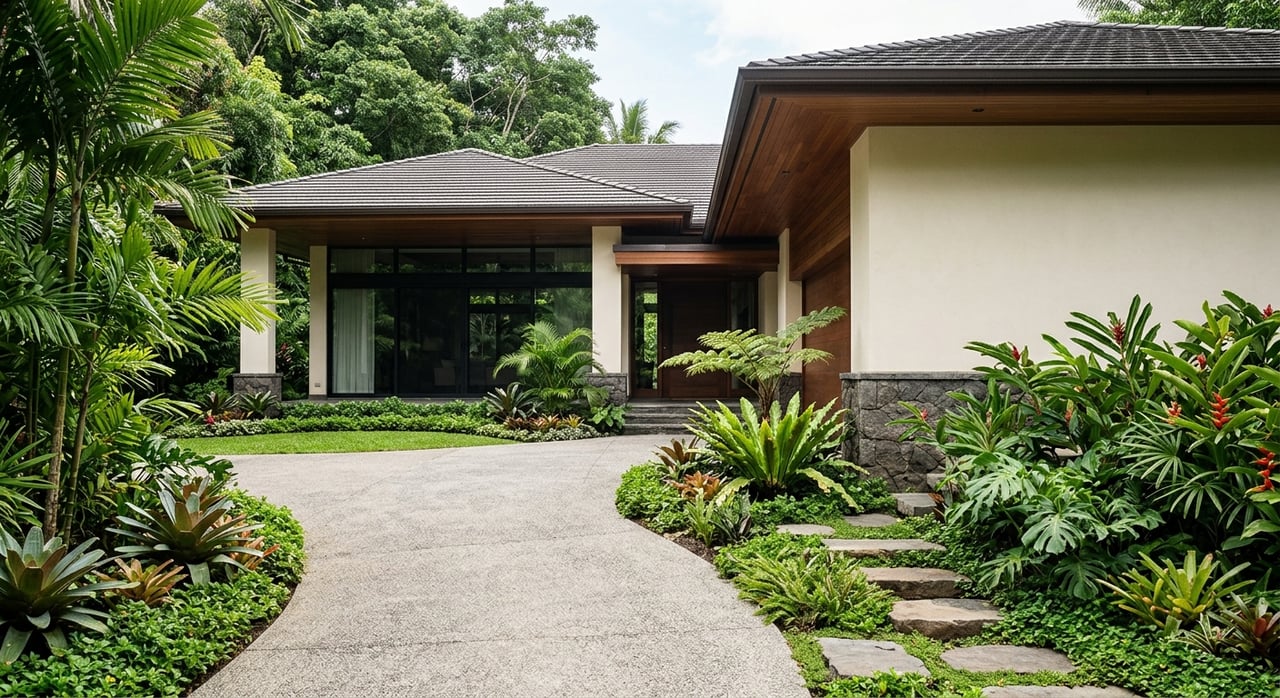
Trying to figure out whether Kilauea bluff, town, or mauka homes fit your life best? You are not alone. In Kilauea, one of the biggest mistakes buyers make is treating the area like a single neighborhood when it really works more like several distinct housing settings inside one North Shore community. This guide will help you understand the differences so you can focus your search with more confidence. Let’s dive in.
Why Kilauea Feels So Different
Kilauea is not just one kind of place. County planning materials show a mix of settings in the broader area, including open, agriculture, resort, urban center, and residential community land uses.
That matters because your day-to-day experience can change a lot depending on where you buy. One home may feel close to parks, transit, and services, while another may feel private, rural, and removed from the town core.
The County of Kauaʻi also treats the Kīlauea Town Plan as a special area plan. Its current Kilauea Town Expansion is intended to blend with historic Kilauea Town while adding affordable housing, parks, playgrounds, communal spaces, improved infrastructure, and some commercial and light industrial activity.
In simple terms, Kilauea often breaks down into three easy-to-understand choices: bluff for views, town for convenience, and mauka for space. Each one offers a different rhythm of life.
Bluff Homes in Kilauea
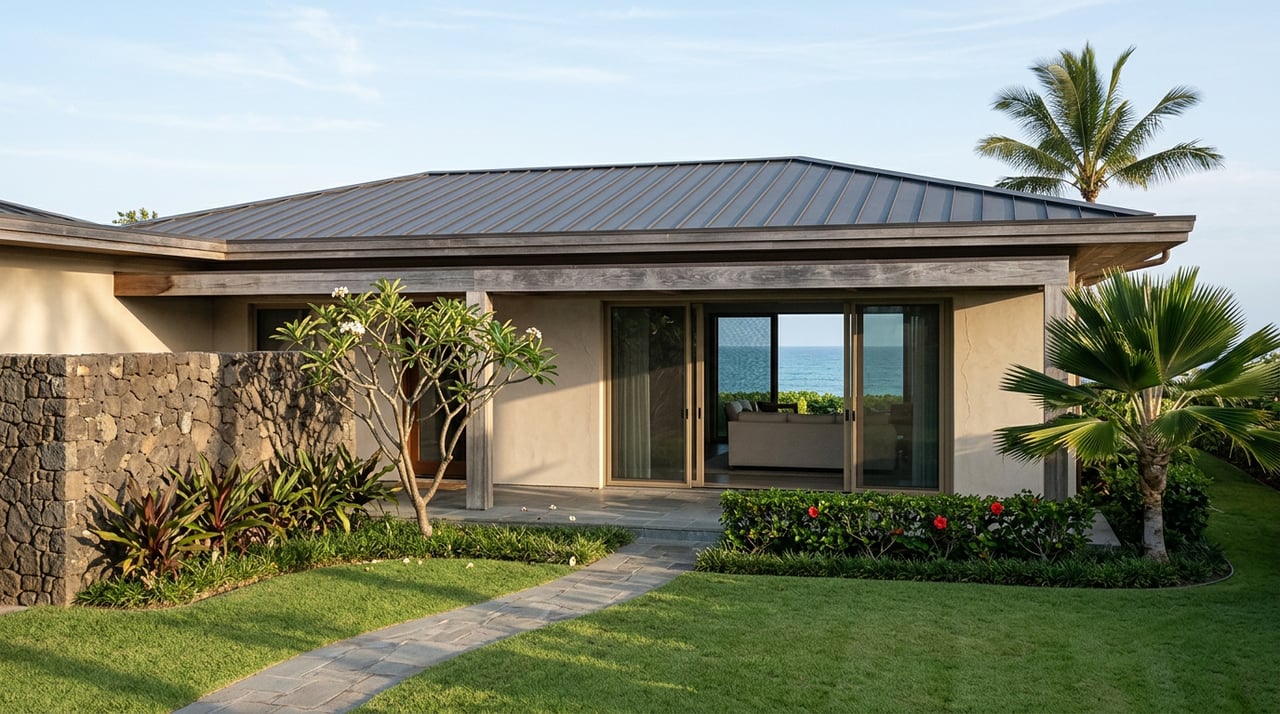
Bluff and coastal homes in Kilauea are shaped by the land itself. Kīlauea Point National Wildlife Refuge sits on the northernmost point of the main Hawaiian Islands, and the refuge includes a 180-foot ocean bluff as well as a 568-foot ocean bluff section at Mōkōlea Point and Nihokū.
That geography helps explain why bluff properties often feel dramatic and separate. For many buyers, the draw is the ocean setting, the elevation, and the sense of openness rather than a traditional neighborhood layout.
What Bluff Living Feels Like
If you are looking at bluff homes, the appeal is usually about the setting. These properties tend to attract buyers who want strong visual impact, coastal scenery, and a quieter sense of separation from the town core.
At the same time, the refuge context is a reminder that this is not a beach-town setup in the usual sense. The U.S. Fish & Wildlife Service notes there is no beach access at the refuge itself, and the area is also important habitat for seabirds and native coastal plants.
What Buyers Should Expect Near Shoreline Areas
Shoreline property in Hawaiʻi comes with more review than inland property. The state’s coastal hazards program notes that shoreline areas can face erosion, tsunamis, hurricanes, sea level rise, flooding, subsidence, earthquakes, and lava flows.
The state also uses shoreline setbacks as a planning tool. In Kilauea and elsewhere on Kauaʻi, Special Management Area permits regulate shoreline-area development, with the Kauaʻi Planning Commission administering SMA permits and shoreline setback provisions and the county Planning Department handling related zoning and land-use permits.
For you as a buyer, that means bluff property can require more due diligence. If you are considering this part of Kilauea, it is smart to pay close attention to permitting, hazard review, and how the site relates to shoreline rules.
Town Homes in Kilauea
If convenience matters most, the in-town pocket is usually the easiest place to start. This is the most service-oriented part of Kilauea and the area where public amenities are most concentrated.
County and public records show several key destinations in the town core. Kīlauea Elementary is at 2440 Kolo Road, the Kīlauea Neighborhood Center is at 2460 Keneke Street, and Kilauea Park is a 4.93-acre neighborhood park with playground equipment, a lighted softball field, and a comfort station.
Why Town Homes Appeal to Buyers
Town homes are often the clearest fit if you want a shorter errand radius. You may value easier access to parks, community spaces, and local stops more than larger land area or a more rural setting.
Transit also plays a role in how the town functions. Route 500 of The Kauaʻi Bus serves Kilauea stops including Kilauea Food Mart, Kilauea Gym, and Anaina Hou, which reinforces the town core’s role as a local hub.
How Kilauea Town May Evolve
The county’s Kilauea Town Expansion plans give useful context for buyers thinking long term. The project describes transit-oriented design, green space, improved infrastructure, and a mix of fee-simple and rental housing.
The county also notes that Namahana Public Charter School’s 11-acre campus sits across the street from the expansion area. Namahana describes its project as the first public, tuition-free middle and high school for North Shore children.
For buyers, that does not guarantee any specific outcome for values or development timing. It does, however, support the idea that the town pocket is where convenience, public amenities, and community infrastructure are expected to be densest.
Mauka Homes in Kilauea
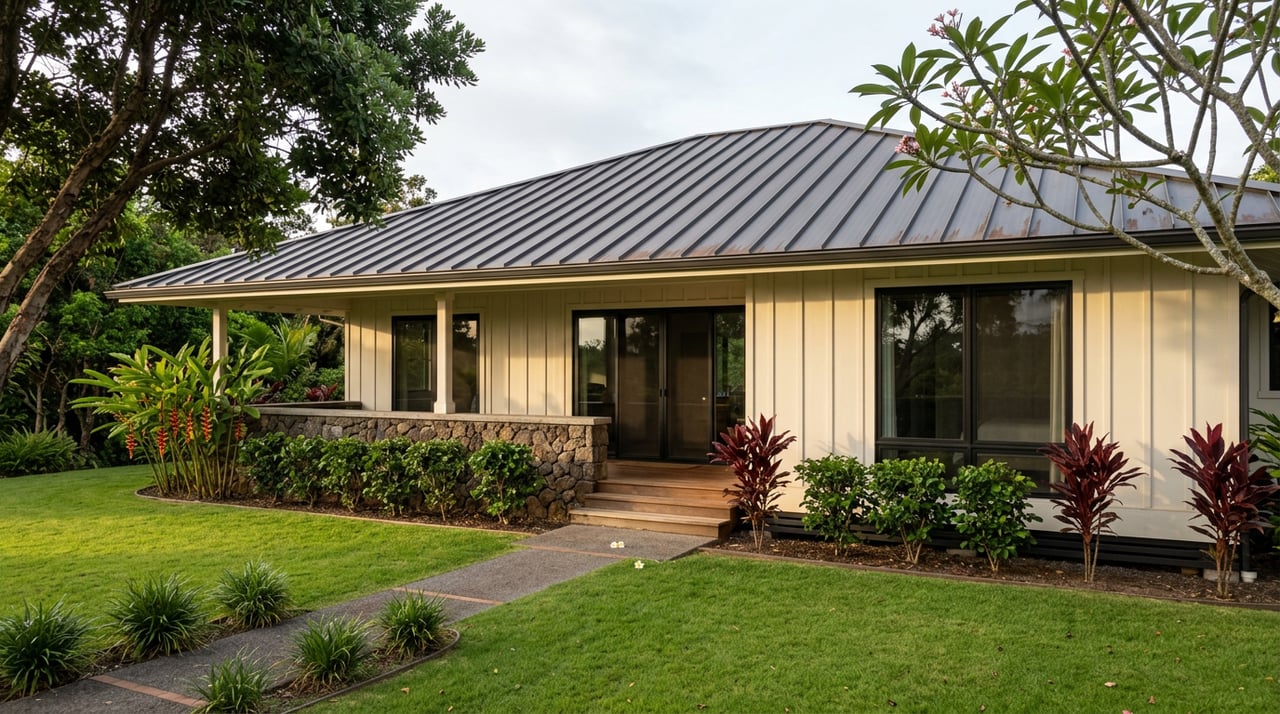
“Mauka” means toward the mountains or away from the sea. In Kilauea, mauka homes generally refer to inland or upland properties that feel more rural than homes in town or along the bluff.
County land-use mapping helps explain that character. The broader Kawaihau area includes a wide mix of designations, and county open-space documents also reference a 10-acre Kīlauea Mauka Access parcel with access-easement questions.
What Mauka Living Offers
If you want privacy, more land, and a quieter setting, mauka homes may be the best fit. These properties often appeal to buyers who are comfortable trading immediate convenience for a stronger sense of space.
That can be especially attractive if you are focused on long-term use, room to spread out, or a more rural daily pace. In many cases, the experience is less about being near the center of activity and more about enjoying separation from it.
What to Watch With Upland Properties
With mauka properties, the practical details often matter more. Depending on the parcel, you may need to pay closer attention to access, driveways, utilities, and how the property connects to surrounding infrastructure.
That does not mean every upland home is complicated. It simply means rural-feeling properties can come with different questions than homes in the town core.
Bluff vs Town vs Mauka
Here is the simplest way to think about the three settings.
| Setting | Main Appeal | Tradeoff to Consider |
|---|---|---|
| Bluff | Ocean views and dramatic coastal setting | More shoreline regulation and coastal exposure |
| Town | Convenience, parks, services, and transit access | Typically less land and less separation |
| Mauka | Space, privacy, and rural feel | Longer drive to services and more property-specific infrastructure questions |
If you are choosing between them, your decision often comes down to one question: What matters most in your everyday life? If your answer is views, start at the bluff. If it is convenience, start in town. If it is privacy and land, start mauka.
How to Choose the Right Fit
The best Kilauea home is not just about price or square footage. It is about matching the setting to how you actually want to live on Kauai.
Start by thinking through your non-negotiables. Ask yourself:
- Do you want ocean-facing scenery or more sheltered surroundings?
- How important is quick access to parks, community spaces, or daily services?
- Would you rather have a shorter errand run or a larger site with more privacy?
- Are you comfortable with shoreline permitting considerations?
- Are you open to the access and utility questions that can come with rural property?
These answers can narrow your search fast. They also help you avoid spending time on homes that look appealing online but do not fit your actual goals.
Why Local Guidance Matters in Kilauea
Kilauea is a great example of why micro-market knowledge matters on Kauai. Two homes with the same zip code can offer very different surroundings, permitting considerations, and day-to-day convenience.
That is where clear local guidance makes a real difference. When you understand how bluff, town, and mauka settings work, you can make smarter comparisons and move faster when the right property comes up.
Whether you are buying from the island or coordinating a move from the mainland, having a practical read on location, access, and property fit can save time and reduce surprises. If you want help sorting through Kilauea options and matching them to your goals, call or text anytime to discuss your Kauai real estate plans with Michael Ambrose.
FAQs
What is the difference between bluff, town, and mauka homes in Kilauea?
- Bluff homes are generally about ocean views and coastal setting, town homes are generally about convenience and access to amenities, and mauka homes are generally about land, privacy, and a more rural feel.
What should buyers know about shoreline homes in Kilauea?
- Shoreline-area homes may involve more permitting and hazard review because Hawaiʻi’s coastal framework addresses issues such as erosion, flooding, sea level rise, tsunamis, hurricanes, and shoreline setbacks.
What amenities are in Kilauea town?
- The town core includes public amenities such as Kīlauea Elementary, the Kīlauea Neighborhood Center, Kilauea Park, and Route 500 Kauaʻi Bus stops including Kilauea Food Mart, Kilauea Gym, and Anaina Hou.
What does mauka mean for Kilauea real estate?
- Mauka means toward the mountains or away from the sea, and in Kilauea it generally refers to inland or upland properties with a more rural feel.
Which Kilauea area is best if you want convenience?
- Buyers who want the shortest errand radius and easier access to parks, transit, schools, and community services often start with the in-town part of Kilauea.
Which Kilauea area is best if you want privacy and land?
- Buyers who prioritize privacy, more space, and a quieter rural setting often focus on mauka properties in inland or upland parts of Kilauea.