Trying to choose between Koloa Town and nearby Poipu? On South Kauai, those two areas sit close together, but they offer very different day-to-day experiences. If you are deciding where to buy, this guide will help you compare lifestyle, setting, housing feel, and what daily life may actually look like so you can narrow in on the better fit. Let’s dive in.
Koloa and Poipu at a Glance
Koloa Town and Poipu are part of the same South Shore corridor, but they are not interchangeable. Kauai County’s South Kauai Community Plan describes Koloa as a commercial and residential community with historic old-town character, while Poipu is framed as a resort destination centered on beaches, parks, and visitor accommodations.
That distinction matters when you are house hunting. In simple terms, Koloa feels more like a town center, while Poipu feels more tied to the shoreline, resort amenities, and vacation-oriented living.
Why Koloa Town Feels Different
Koloa Town has a smaller-scale, village-style rhythm. The county describes its commercial core as walkable, compact, and shaped by lower-speed streets, especially along Koloa Road between Poipu Road and Waikomo Road.
In that main stretch, you will find everyday services and shopping clustered together, including grocery markets, snack shops, restaurants, and retail. That gives Koloa more of an errands-and-daily-life feel than a destination-shopping feel.
The walkability is strongest in and around the town center itself. The county also notes that residential streets are less connected for walking, so the pedestrian experience is not as consistent once you move away from the core.
Koloa’s Historic Character
If charm matters to you, Koloa stands out for its historic identity. Old Koloa Town is rooted in plantation history, and GoHawaii notes that shops now occupy former plantation buildings along Koloa Road.
Koloa is also tied to an important chapter in Hawaii history. The National Park Service identifies the Old Sugar Mill of Koloa as a National Historic Landmark and the first successful large-scale sugar manufacturing enterprise in the Hawaiian Islands.
That past still shapes how the area feels today. The Koloa Heritage Trail connects 14 cultural, historical, and geological sites from Old Koloa Town to Poipu, reinforcing that Koloa offers more than just a place to live. It offers a strong sense of place.
What Daily Life Can Feel Like in Koloa
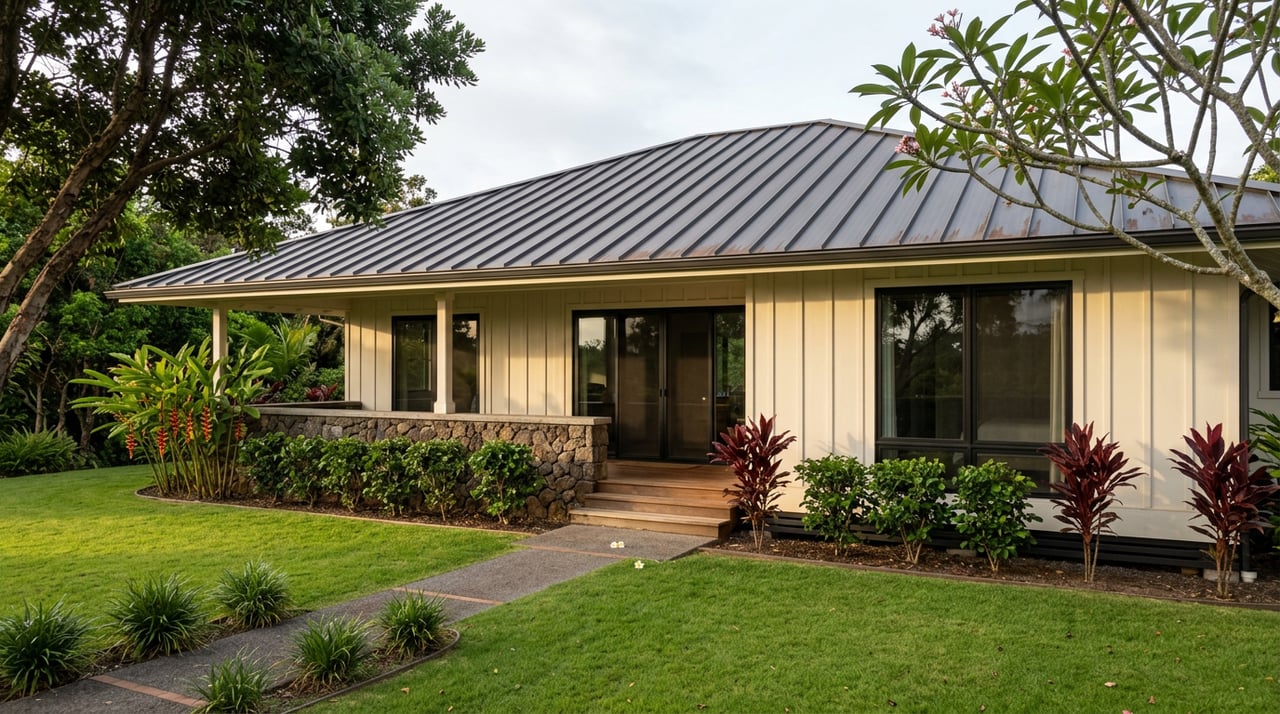
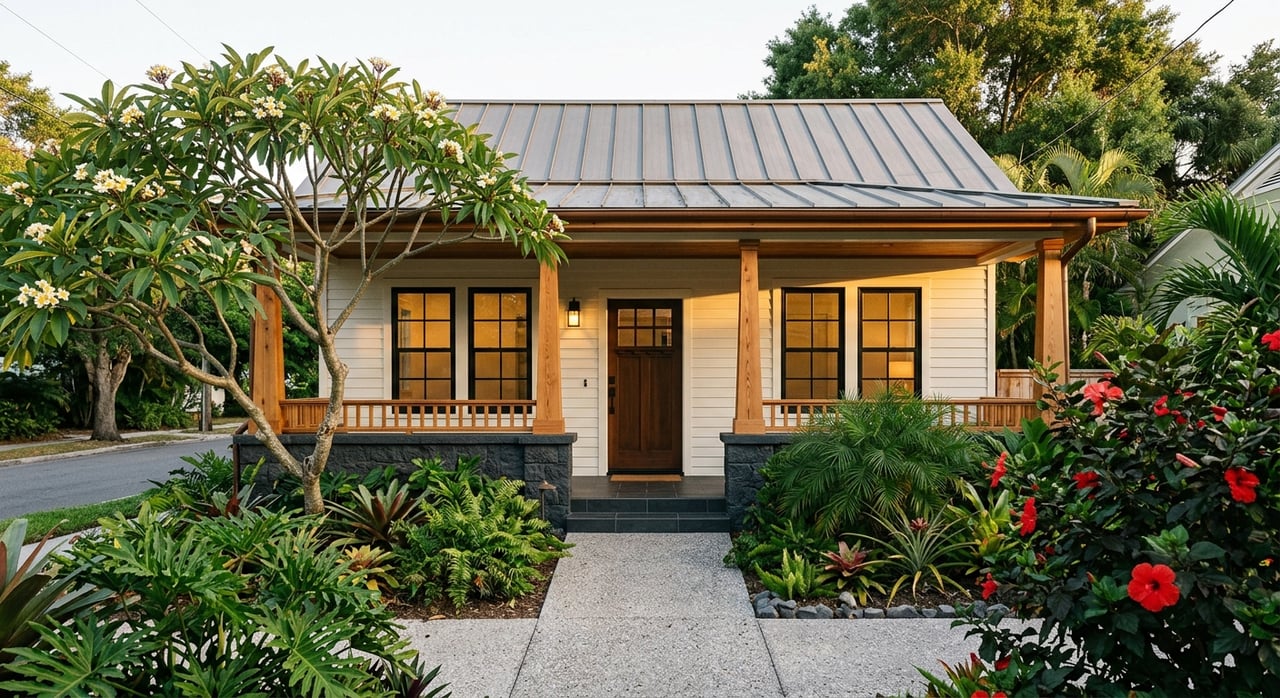
Koloa’s building pattern supports its small-town identity. The county describes retail buildings with shopfronts, galleries, and awnings, while nearby homes are generally detached and set back from the street, often with porch frontage.
You also see a mix of uses that support daily routines, not just visitor activity. The county notes that Koloa includes a lively retail core plus civic and institutional uses, which helps it function as a true town center.
Koloa Village adds to that pattern. Its official materials describe a mixed-use community in the heart of Old Koloa Town with restaurants, grocery, shops, services, specialty goods, and a residential phase with 60 one- and two-bedroom units.
Why Poipu Feels More Resort-Oriented
Poipu offers a different kind of appeal. Instead of a historic main-street atmosphere, Poipu is more closely tied to beach access, outdoor recreation, resort amenities, and visitor-oriented housing.
The county plan describes Poipu as a beach resort area, and it accounts for a large share of Kauai’s resort accommodations. In fact, the South Kauai Community Plan says Poipu is home to about 40 percent of the island’s resort accommodations.
That concentration shapes the area’s identity. If you want your surroundings to feel closer to shoreline living and resort convenience, Poipu usually delivers that more clearly than Koloa Town.
Poipu Beach and Outdoor Access
For many buyers, Poipu’s biggest draw is simple: the beach is part of everyday life. GoHawaii describes Poipu as one of the major draw areas on Kauai’s South Shore, with beaches and Spouting Horn among the main attractions.
The county also highlights a continuous pedestrian and bicycle pathway along the shoreline from Spouting Horn to Mahaulepu. That speaks to how central outdoor recreation is in the area.
Poipu Beach Park is a major amenity on its own. According to GoHawaii, it offers lifeguards seven days a week, restrooms, showers, picnic tables, a natural wading pool, bodyboarding and snorkeling areas, and nearby surfing.
If you picture beach walks, ocean access, and outdoor time as part of your normal routine, Poipu has a strong edge.
Poipu Shopping and Dining
Poipu’s shopping and dining tend to feel more destination-oriented than Koloa’s town core. The Shops at Kukuiula describes itself as a shopping and dining destination with more than 35 local boutiques, restaurants, and art galleries.
That does not make Poipu better or worse. It simply points to a different lifestyle. Koloa leans toward a traditional town-center experience, while Poipu leans toward a polished resort-area experience.
Comparing the Housing Feel
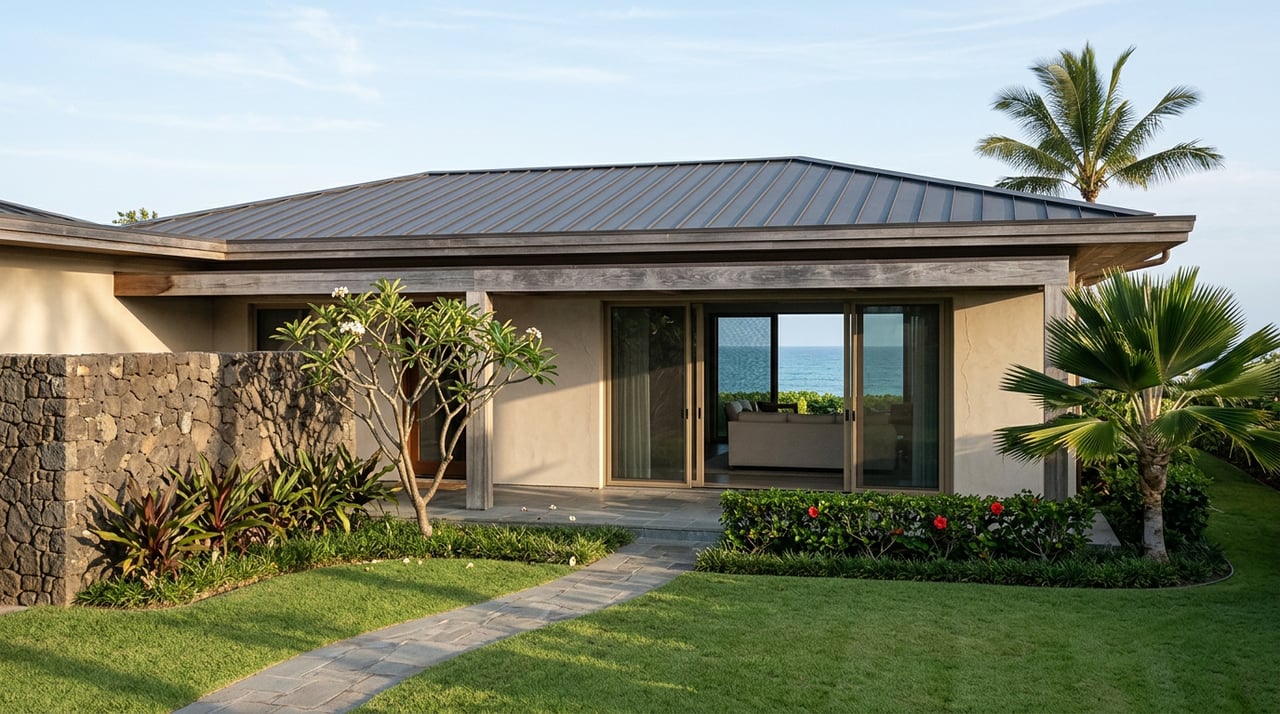
One of the biggest differences between Koloa Town and Poipu is the type of housing environment you are more likely to encounter. The county’s descriptions suggest that Koloa reads more like village living, while Poipu reads more like resort and shoreline living.
That does not mean every property fits neatly into one box. Still, the overall setting can help you decide which area deserves more of your attention.
Housing in Koloa Town
In Koloa, the housing context is generally more compact and town-centered. Based on the county plan and Koloa Village, the area is best understood as a mix of town-core residences, detached homes with porch-oriented streetscapes, and some newer mixed-use residential product.
If you are drawn to a home base that feels tied to a historic community rather than a resort complex, Koloa may feel more natural. It often suits buyers who want a neighborhood experience with convenient access to local services.
Housing in Poipu
Poipu offers a wider resort-oriented housing mix. The county says the area between Poipu Road and the coast includes both resort and residential zoning, with larger resort buildings often arranged around open green spaces.
Official resort listings also show how broad the product mix can be. Poipu Kai is a 70-acre resort community with seven condo developments, Aston at Poipu Kai spans five condominium communities and includes accommodations from multi-room suites to four-bedroom private homes, Kiahuna Plantation offers one- and two-bedroom plantation-style condominiums on 35 oceanfront acres, and Koloa Landing sits near the Shops at Kukuiula and within walking distance of Poipu Beach.
Poipu also includes a luxury custom-home segment. Kukuiula’s official real estate materials say homesites range from one-third acre to three acres, with homes and homesites tied to resort amenities and nearby dining, shopping, and entertainment.
Which Area Fits Your Priorities?
The right choice comes down to what you want your day-to-day life to look like. Because Koloa and Poipu sit so close together, buyers sometimes assume the difference is minor. In practice, it can be a meaningful lifestyle decision.
Here is a simple way to think about it:
- Choose Koloa Town if you want a historic town center, a compact commercial core, and a more village-like atmosphere.
- Choose Poipu if you want beach proximity, resort amenities, and a stronger mix of condo and resort-style living options.
- Look closely at Kukuiula and the broader Poipu area if your focus is luxury homesites, custom residences, and resort-supported living.
A Practical Buyer Perspective
If you are buying for full-time living, Koloa may appeal to you if you want a town-based routine with everyday conveniences nearby. Its identity is shaped by history, local services, and a more compact commercial heart.
If you are buying a second home, condo, or resort-area property, Poipu may check more boxes. Its beach access, shoreline pathway, visitor infrastructure, and resort inventory create a setting that feels more vacation-forward.
For some buyers, the answer is not purely lifestyle. Property type matters too. If you want to compare condos, detached homes, land, or high-end custom options across South Kauai, it helps to look beyond the map and focus on how each micro-area supports your goals.
Whether you are buying a primary home, a second home, or a resort-area property, a clear side-by-side view can save time and help you make a more confident decision. If you want help comparing Koloa Town, Poipu, or specific South Shore listings, call or text anytime to discuss your Kauai real estate goals with Michael Ambrose.
FAQs
What is the main difference between living in Koloa Town and Poipu?
- Koloa Town is better known for its historic town-center feel, daily errands, and smaller-scale community setting, while Poipu is better known for beaches, resort amenities, and a more vacation-oriented atmosphere.
Is Koloa Town walkable for daily errands?
- Yes, the county describes Koloa’s commercial core as walkable and compact, especially along Koloa Road, where grocery markets, restaurants, and shops are concentrated.
Does Poipu have better beach access than Koloa Town?
- Yes, Poipu is the clearer choice if you want beach access built into daily life, with Poipu Beach Park and a shoreline pedestrian and bicycle pathway as major amenities.
What kind of homes and condos can you find in Poipu?
- Poipu includes resort condominiums, private homes within resort communities, plantation-style condos, and luxury custom homesites in areas such as Kukuiula.
What kind of housing does Koloa Town offer?
- Koloa is best understood as offering a town-core residential feel, detached homes with porch-oriented streetscapes, and some newer mixed-use residential options tied to the town center.
Is Poipu only for resort buyers?
- No, Poipu includes resort-oriented properties, but it also includes residential zoning and high-end custom-home opportunities in the broader area.
Which area is better for a full-time home on Kauai’s South Shore?
- That depends on your goals, but buyers who want a town-centered lifestyle often prefer Koloa, while buyers who want shoreline living and resort convenience often lean toward Poipu.