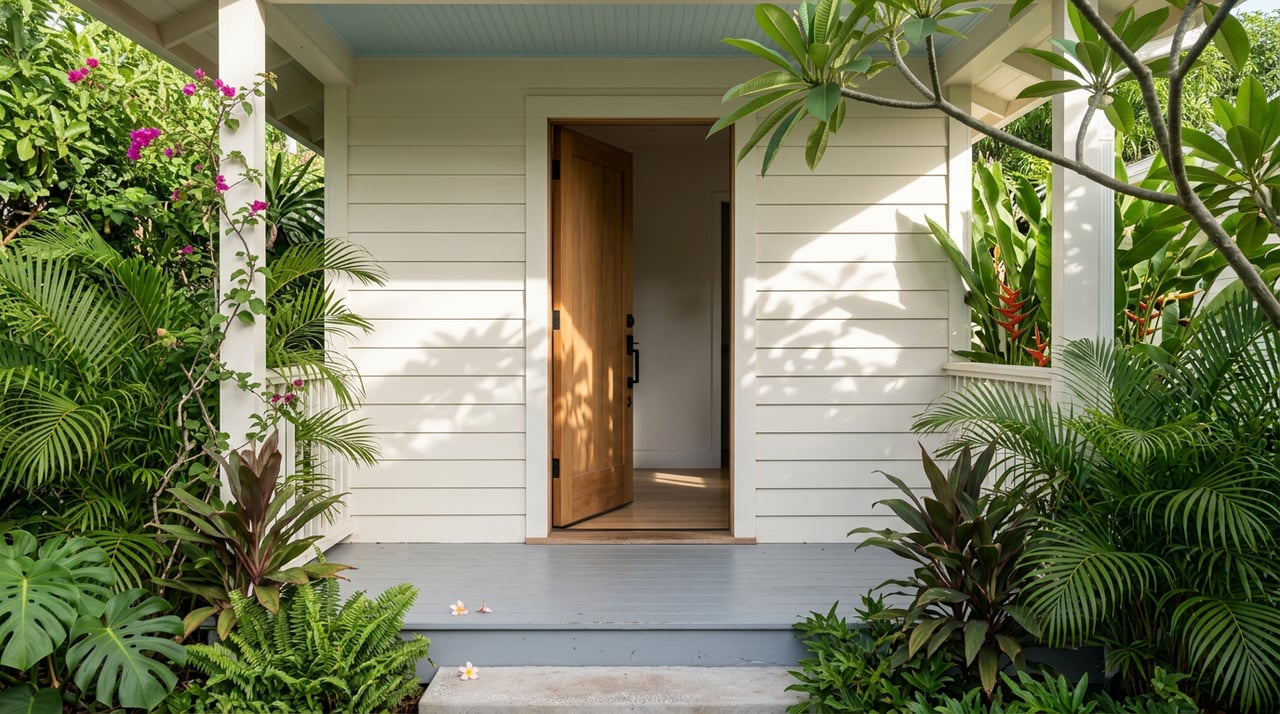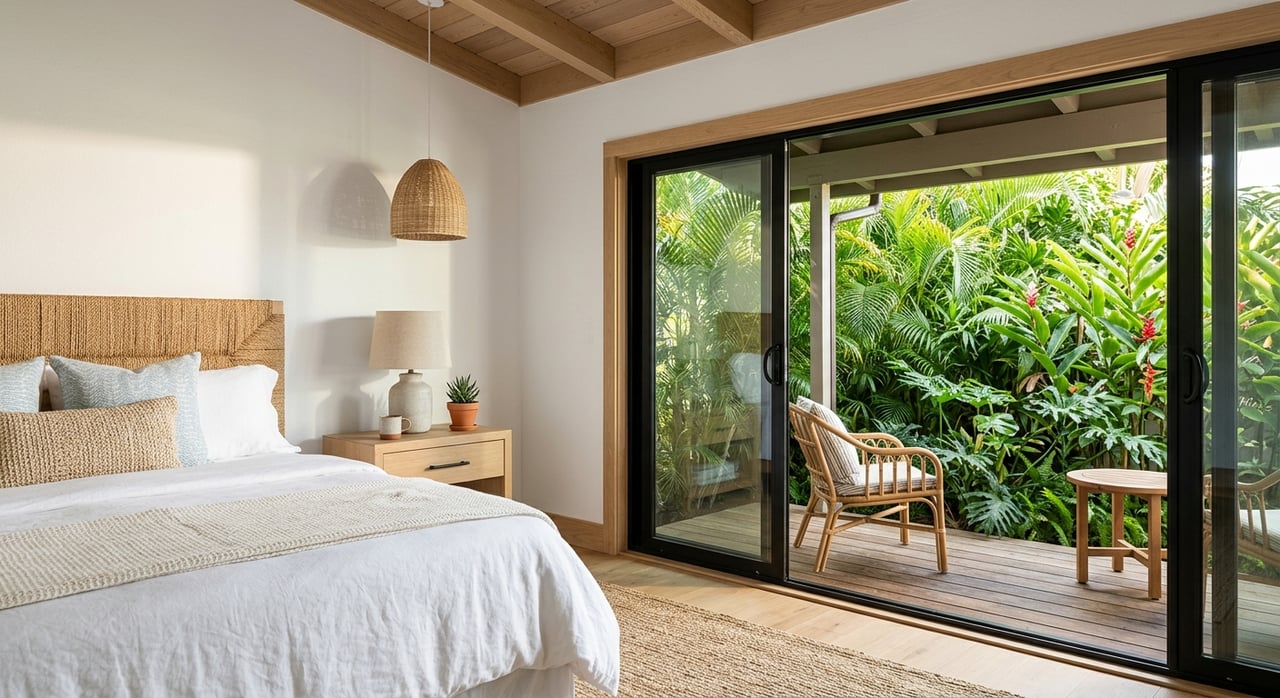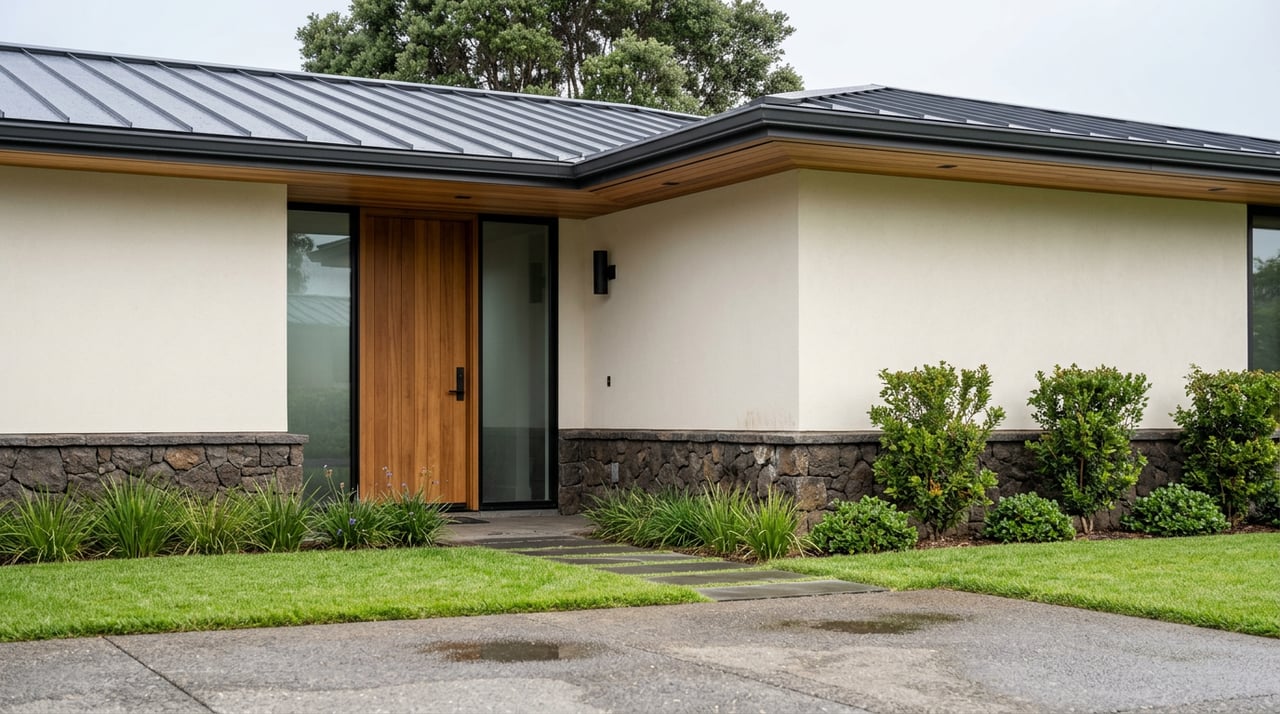
Craving cool nights, wide-open pastures, and quick access to world-class beaches? If you picture a Hawaii retreat that feels quieter and more temperate than the shoreline, Waimea on Hawai‘i Island deserves a close look. Many mainland buyers are surprised by how different “upcountry” life feels compared with the coast. In this guide, you’ll learn what sets Waimea apart, what second-home owners typically budget for, and the key checks to complete before you buy. Let’s dive in.
Why Waimea draws second-home buyers
Cooler upcountry climate
At roughly 2,676 feet in elevation, Waimea (postal name Kamuela) sits in a cooler, less humid belt than the Kohala Coast and Kona shorelines. Daytime highs often hover in the low 70s, with many nights in the 50s to 60s depending on season. The town also straddles a wet-to-dry transition zone, so weather can shift over short distances. These conditions create a comfortable, pastoral feel that many buyers prefer over the warmer, saltier air along the coast. Waimea’s elevation and climate context help explain the difference.
Close to beaches and resorts
From Waimea, you can reach Kohala Coast resort beaches in a typical 15 to 30 minutes, depending on your start point and route. Hāpuna Beach State Recreation Area notes Waimea is about 13 miles away, which is a common example for drive time to the coast. Kona International Airport is often around a 25 to 35 minute drive from central Waimea. This setup suits buyers who want a calm home base upcountry while keeping day-trip access to beaches, golf, dining, and marinas. See the Hāpuna Beach State Recreation Area reference for context on distance.
Historic ranch-town identity
Waimea’s paniolo heritage anchors the area’s lifestyle and housing pattern. Parker Ranch’s history still shapes the community, from open pastures to equestrian amenities and local events. That ranching influence shows up in lot sizes, privacy, and the feel of neighborhoods near town. For background, review Parker Ranch’s role in the region’s identity in this community document.
What housing looks like in Waimea
Single-family, ranch, and acreage
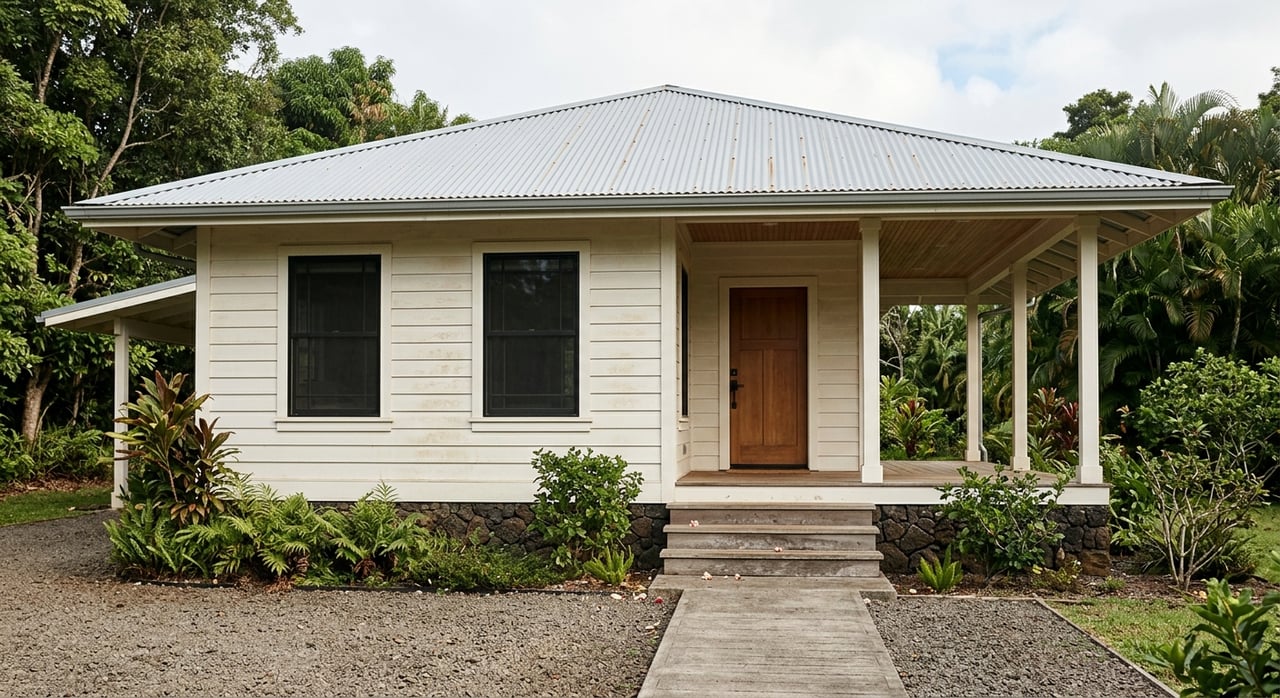
You’ll mostly see single-family homes on quarter-acre to multi-acre parcels, plus larger ranch properties in the surrounding upcountry. Styles range from ranch and plantation-era homes to modern customs with lanais and mountain or pasture views. Small hobby farms and equestrian properties are part of the mix outside town, which can appeal if you want space for animals, gardens, or orchards.
Fewer condos than the coast
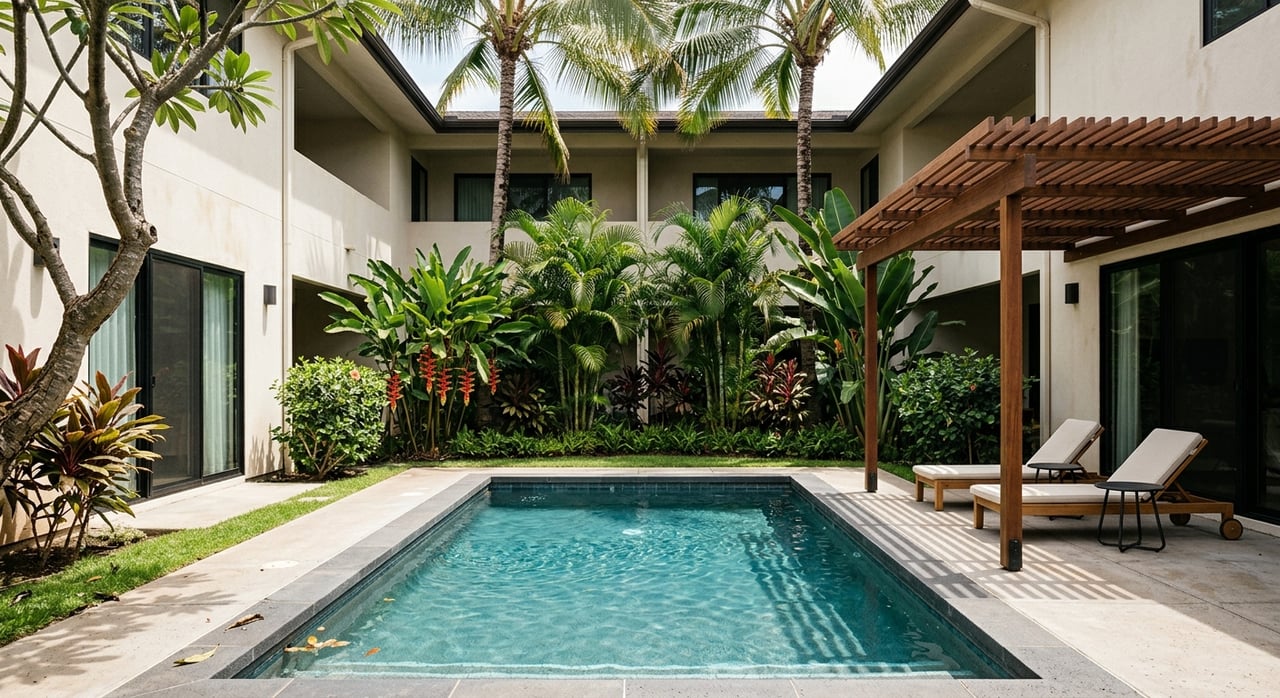
Resort-style condos and gated master-planned communities are clustered along the Kohala Coast rather than in Waimea town itself. That difference affects carrying costs and ownership style. Coastal condos often come with robust amenities and monthly HOA fees, while Waimea’s single-family properties tend to be more independent, with owners responsible for maintenance and land care. For a quick overview of where resort condos concentrate, see this Kohala Coast real estate overview.
Carrying costs and ownership basics
Property taxes by class
Hawaii County assigns tax rates by use class. Owner-occupied homes typically qualify for lower tiered rates, while residential investor, vacation rental, and hotel/resort classifications are taxed at higher per-thousand-dollar rates. If you will occupy the home seasonally, confirm your likely classification at purchase and file the homeowner exemption if you qualify. The State Data Book’s county table outlines the framework and sample rates by class. Review the county breakdown in Table 9.48.
Electricity and energy
Hawaii Island’s average retail electricity price is materially higher than most mainland utilities. Hawaiian Electric reports an average around 46 cents per kWh for Hawaii Island customers in recent data. Many buyers plan for solar plus battery storage to manage monthly costs and improve resilience. Check current pricing on Hawaiian Electric’s average price page.
Water, wastewater, and utilities
Much of Waimea is served by treated county water sourced from mountain streams and reservoirs. Some rural parcels rely on private wells or rain catchment, and most non-urban properties use on-site wastewater systems like septic. Always confirm the water source and wastewater setup during due diligence, since availability can influence financing, insurance, and long-term maintenance. For context on the region’s water systems and aquifer references, see this technical overview.
Maintenance realities upcountry
Upcountry properties generally see less salt-air corrosion than coastal homes. That can reduce certain exterior maintenance items compared with beachfront or ocean-adjacent settings. You should still budget for UV, wind, and in some microclimates, higher rainfall impacts on roofs, paint, and landscaping. Ask for the seller’s maintenance history to understand recent roof work, exterior coatings, and any upgrades to doors and windows that support the local conditions.
Insurance and HOA fees
Insurance pricing varies by location, construction type, and whether the property operates as a vacation rental. Obtain quotes early in your process to avoid surprises. If you compare a Waimea single-family home with a resort condo, remember that coastal condos often carry substantial HOA and amenity fees, while many upcountry properties do not. Those differences can shift your monthly outlay and should be part of your budget modeling.
Zoning, land use, and key risk checks
Agricultural zoning and assessments
Many upcountry parcels are zoned agricultural or rural. Zoning affects permitted uses, outbuilding approvals, and the process for any expansions. Some agricultural-assessed parcels require proof of bona fide farming to receive preferential tax treatment. Before you assume a property can be expanded or reconfigured, verify the parcel’s TMK zoning, any conservation or easement constraints, and whether a dedicated-ag agreement applies. The water systems overview cited above offers useful context on how land and resource planning intersect in the region.
Hazard maps to review
Waimea’s inland location reduces direct tsunami exposure compared with the coast. Still, every parcel should be checked against hazard maps for lava, flooding, and wildfire risk. The USGS lava hazard zone map for Hawai‘i Island is a good starting point for volcanic risk context. See the USGS lava-flow hazard map before you write an offer.
Short-term rental rules
Hawaii County regulates short-term vacation rentals by ordinance and registration. Properties that operate as STRs must be eligible based on zoning and must hold the appropriate registration or Nonconforming Use Certificate if required. STRs are also commonly taxed at higher property tax classes. If part of your plan involves vacation use, confirm current eligibility and registration status for any listing you consider. The county’s STVR registration form and packet outline the steps and requirements.
Prices and how Waimea compares
Portal snapshots sometimes show Kamuela/Waimea median sale prices in the mid seven-figure range, but results vary by tool and time frame. More importantly, ZIP 96743 includes both Waimea and several luxury coastal submarkets, which can push ZIP-level medians higher than Waimea town-specific data. When you analyze value, use the island MLS and neighborhood-level sold comps. That approach avoids mixing inland single-family homes with oceanfront estates or resort condos.
What does that mean for you? If you prefer a quiet, temperate home with land and privacy, Waimea aligns well. You trade immediate beachfront access for acreage and cooler weather while keeping relatively quick drives to beaches and resorts. Your carrying costs will look different than a resort condo. You may save on HOA fees and salt-related maintenance, but you could take on land care, septic maintenance, and higher electricity costs unless you add solar.
Quick due diligence checklist
- Confirm exact location and elevation, and whether the listing is truly Waimea town or a broader 96743 area reference. Start with Waimea’s town profile for basic context.
- Identify the water source: county water, shared or private well, or rain catchment. Ask for recent water quality tests and storage or pump details if not on county water. Use this regional water reference for background.
- Verify wastewater: septic capacity, permit history, and recent service records. If you plan to add bedrooms or an ohana, confirm system sizing.
- Check the property tax class you will receive at closing and whether a homeowner exemption applies. Review the State Data Book county table for how classes and rates differ.
- If rental income is part of your plan, confirm STR eligibility and any existing county registration using the STVR packet.
- Run hazard checks for lava, flood, and wildfire. Start with the USGS lava-hazard map, then consult county tools and your insurer.
- Get two insurance quotes and an energy cost estimate. Price out solar plus storage if the roof and orientation make sense, using Hawaiian Electric’s rate page as a benchmark.
- Compare MLS sold comps rather than only portal medians, especially when looking at 96743, which includes coastal luxury areas.
Is Waimea right for your second home?
If you want a temperate climate, land, and a relaxed small-town base within easy reach of Kohala Coast beaches, Waimea offers a compelling mix. You accept a short drive to the shoreline in exchange for cooler nights, less salt-air exposure, and a ranch-country setting. With the right due diligence on utilities, taxes, zoning, and hazards, you can buy with confidence and enjoy a low-key upcountry retreat that still connects easily to the island’s best beaches and golf.
If you are comparing Waimea with a second home on Kauai, or you want a clear next step for creating a Hawaii second-home plan, let’s talk. For Kauai properties and move-ready guidance from search to close, connect with Michael Ambrose. Call or text anytime to discuss your Kauai real estate goals.
FAQs
How does Waimea’s climate differ from coastal areas on Hawai‘i Island?
- Waimea sits around 2,676 feet in elevation, which supports cooler daytime temperatures and lower nighttime humidity than the Kohala Coast and Kona shorelines.
How far is Waimea from Kohala Coast beaches and Kona International Airport?
- Many resort beaches are a typical 15 to 30 minute drive from Waimea, and Kona International Airport is commonly about 25 to 35 minutes from town, depending on address and traffic.
What should I know about Waimea’s utilities for a second home?
- Much of Waimea has county water, but some rural parcels rely on private wells or rain catchment with septic; confirm the property’s water source and wastewater setup during due diligence.
How are property taxes structured for second homes in Hawaii County?
- Tax rates depend on classification, with owner-occupied classes typically taxed at lower tiered rates and residential investor or vacation rental classes taxed higher, so verify your classification before closing.
Can I run a short-term rental from a Waimea home?
- Hawaii County requires STR eligibility and registration, and many STRs fall under higher tax classes; review the county’s STVR packet and confirm a property’s current status before you buy.