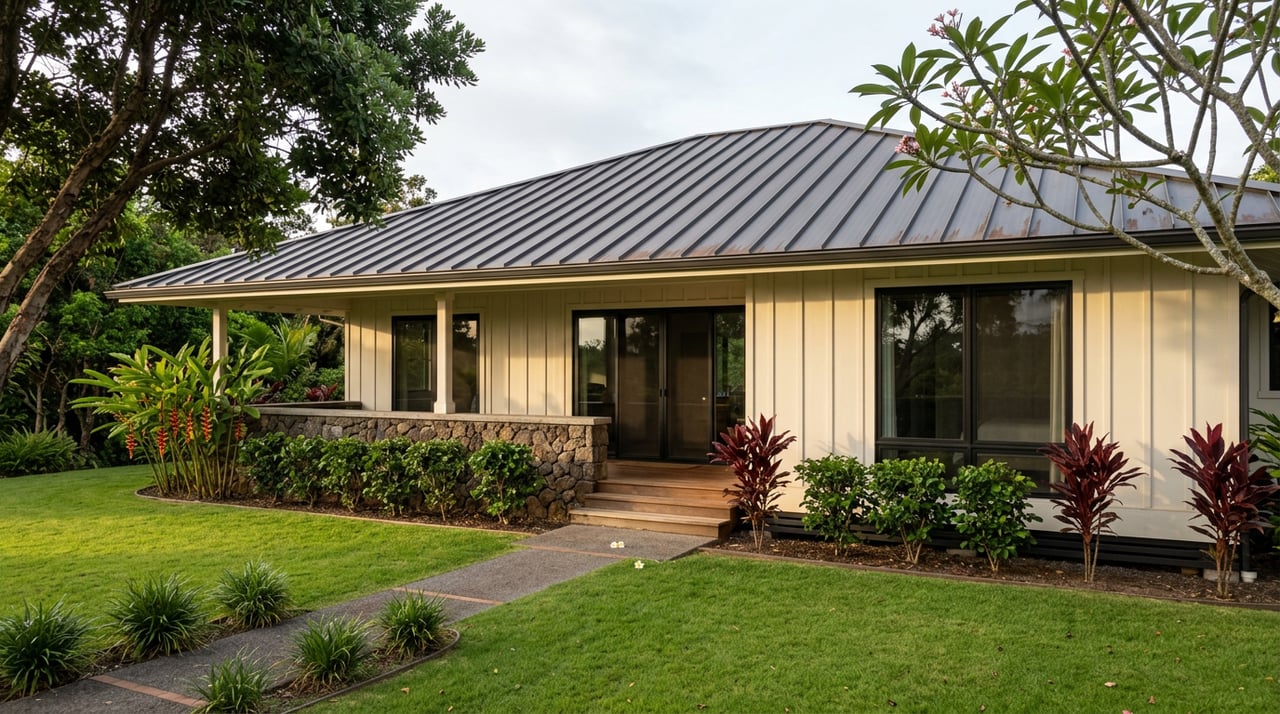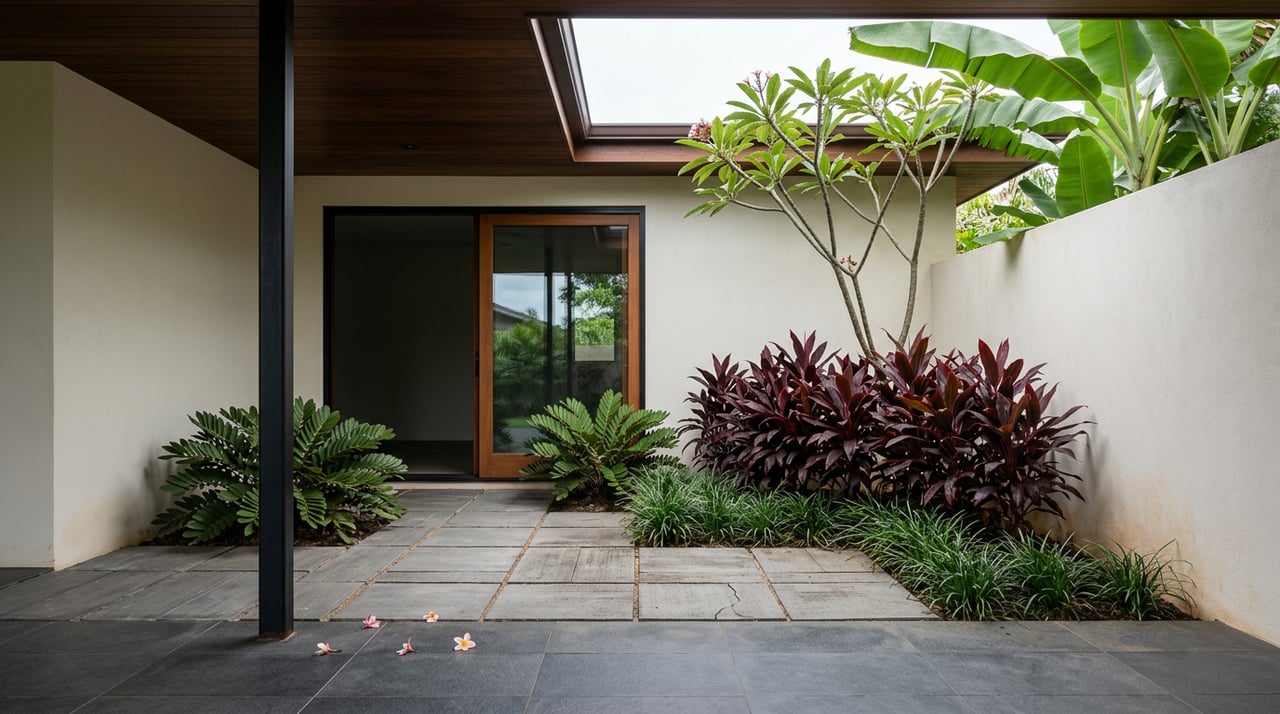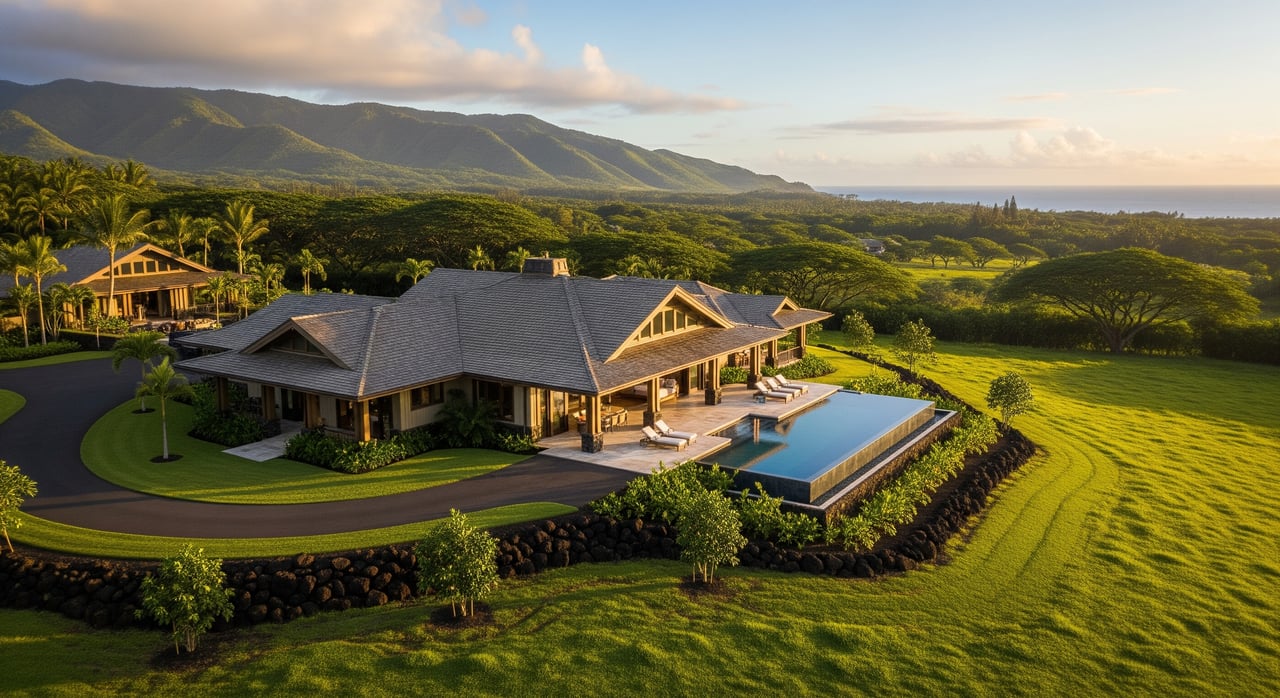
If you have ever wondered why two Kalaheo properties with the same acreage can be priced so differently, you are not alone. Acreage and custom homes do not follow the same rules as a typical neighborhood sale. You want a clear, practical way to price or evaluate these unique properties so you can make confident decisions. This guide breaks down the value drivers, the due diligence that matters, and proven strategies for both sellers and buyers in Kalaheo. Let’s dive in.
Why Kalaheo pricing is different
Smaller, specialized market
Kalaheo’s acreage and custom homes serve a niche buyer group seeking privacy, views, and south shore access. The market has lower transaction volume and fewer direct comparables than standard single-family homes. That means pricing takes more time, more data, and more negotiation.
What earns a premium
Buyers in Kalaheo often pay more for three things: usable land, utilities, and views. Parcels with buildable pads, recorded access, county water, and strong ocean or mountain views tend to command higher prices. Properties that are genuinely build-ready with clear entitlements are especially attractive.
What reduces value
Steep or challenging topography, poor soils, drainage concerns, and limited or costly utility access can weigh on price. Legal constraints like easements without clear maintenance terms, restrictive covenants, or zoning limitations can also reduce what buyers are willing to pay.
Key value drivers in Kalaheo
Site and access
Gross acreage is not the same as usable acreage. A 5-acre parcel with one level, secure building site can be more valuable than a larger, mostly steep parcel. Recorded, legal access is important, and the condition and upkeep of a private road can influence price. Drive time to services and south shore beaches adds to desirability for many buyers.
Utilities and water
Secure potable water access matters. County water availability typically supports stronger pricing. If a property requires a private well or a long utility run, buyers often factor that cost into offers. Wastewater solutions vary by parcel. If a home uses a cesspool, you should expect buyer questions about conversion. For raw land, septic feasibility is a key checkpoint. Distance to power and communications, and the availability of reliable broadband or cell service on Kauai, also influence value.
Zoning and entitlements
Zoning sets the rules for use, density, and subdividing. Agricultural zoning may have minimum parcel sizes and restrictions that affect long-term potential. Easements, covenants, and any HOA or road maintenance agreements should be reviewed. Special designations like flood zones, cultural resource areas, or coastal overlays can shape what, where, and how you can build.
Views and home quality
In Kalaheo and the south shore, views and orientation matter. Ocean and mountain vistas and sunset aspects are prized. For custom homes, quality of design and finishes can lift value above typical per-square-foot comparisons. That said, resale still depends on how well those choices match local buyer preferences.
Privacy and lifestyle potential
Privacy, security, and lifestyle uses like hobby farming or equestrian activity attract niche buyers. If a parcel offers these benefits along with usable land and utilities, it can support a premium. The potential for subdivision or future development can add strategic value, but it must be backed by real due diligence.
Pricing strategies for sellers
Lead with a buildable story
Price your acreage by usable land, not just gross acres. Map and describe buildable pads, orientation, and likely driveway routes. Call out county water, existing meters, and utility proximity. If you have views, show them clearly in marketing and note how the home site captures them.
Document what buyers ask first
Have a recent survey showing boundaries and easements. Gather utility confirmations, water and wastewater details, and any geotechnical or soil information you can provide. If there are known upgrade costs, such as septic installation or cesspool conversion, estimate them and decide whether to preemptively price in that work or offer an upfront credit. Clear documentation builds trust and supports your list price.
Price for a smaller buyer pool
Overpricing can lead to longer days on market and lower eventual sale prices. A targeted list price that reflects site utility, legal access, and build-ready status helps you attract the right buyers early. For land-only listings, describe the ratio of buildable to total acreage and be transparent about any constraints.
Use negotiation tools wisely
If a known upgrade is significant, consider a seller credit to handle it at closing rather than discounting repeatedly over time. In your disclosures and marketing, anticipate buyer diligence and provide answers ahead of time. That keeps momentum during escrow.
Smart offer tactics for buyers
Build in the right contingencies
Your offer should include contingencies for survey, title, access, water availability, septic or wastewater feasibility, and soil or geotechnical review. If you plan to build, consider early conversations with a builder and a rough cost estimate to test your budget against the site.
Expect appraisal and lending guardrails
When comparables are scarce, lenders can take a conservative view. Be prepared for higher down payments and to support the appraisal with data on build quality, material lists, and utility status. If a property has non-standard features or legal quirks, discuss them with a lender who understands Kauai acreage and construction loans.
Model total cost of ownership
Price is only part of the picture. Include property taxes, insurance, road maintenance, utility connection fees, and any mitigation like wind or flood coverage in your budget. If the parcel requires line extensions, septic installation, or well permitting, add realistic timelines and costs before committing.
Custom home valuation basics
When the cost approach matters
For unique or recently built custom homes, appraisers often rely on the cost approach alongside a limited set of comparables. Replacement cost minus depreciation, plus land value, can frame the discussion when direct comps are thin.
Align with market preferences
High-end finishes and bespoke design can outperform typical per-square-foot metrics, but value still depends on buyer demand. Floor plans that capture views, durable materials that suit Kauai’s climate, and permitted improvements tend to hold value better.
Plan for island build realities
Construction on Kauai usually carries higher costs because of shipping, labor, and logistics. Remote or steep sites can add to staging and access expenses. Wind and hurricane standards, and any flood requirements, also affect design choices and insurance costs. These realities factor into what buyers will pay at resale.
Regulatory and environmental checkpoints
Permitting timelines
The County of Kauai Planning and Building Division oversees permits and subdivisions. Timeframes vary by project scope. Straightforward single-family permits can still take months, and complex grading or subdivision work can extend beyond a year. Build these lead times into your pricing and planning.
Wastewater and cesspool conversion
Hawaii has an active program to move properties toward approved wastewater systems. If a home uses a cesspool, expect buyers to price in conversion. Confirm current rules and any funding options available. For vacant land, understand septic feasibility early.
Flood, coastal, and cultural layers
Flood and tsunami zones affect insurance requirements and building standards. Coastal and environmental overlays, shoreline setbacks, and cultural or archaeological sensitivities can limit build areas or add steps to approval. These constraints can influence both list price and offer terms.
A practical due diligence checklist
Title and survey
- Order a current boundary or ALTA survey showing easements, encroachments, and rights-of-way.
- Review title for liens, covenants, and use restrictions.
Access and roads
- Confirm legal, recorded access. If private, obtain road maintenance agreements and cost-sharing details.
Utilities and services
- Verify county water or well requirements, meter location, and any connection fees.
- Confirm wastewater status and feasibility for septic if needed.
- Check distance to power and communications and whether broadband or reliable cell service is available.
Site and environment
- Obtain a geotechnical or soil report to assess buildability, slope stability, and drainage.
- Determine if cultural or archaeological reviews are required.
- Identify flood zones or environmental constraints that could affect insurance or design.
Permits and compliance
- Verify that existing structures have permits. Address any unpermitted work.
- Understand which approvals apply, such as coastal overlays or shoreline setbacks.
Insurance and risk
- Price homeowner, wind/hurricane, and flood coverage. Factor in mitigation requirements.
How I help you price right in Kalaheo
Local comps and strategy
- I combine island-wide experience with Kalaheo’s micro-market context to build a pricing plan that reflects usable acreage, utilities, views, and legal status.
Documentation that supports value
- I help you gather surveys, utility confirmations, wastewater details, and site reports so buyers can move quickly and appraisers have what they need.
Investor-aware and custom-home insight
- For custom homes, I frame cost approach details and market preferences so your list price matches the likely buyer pool. For acreage, I highlight build-ready features and lifestyle potential without overpromising.
Negotiation and remote-friendly process
- Whether you are local or on the mainland, I manage the details, anticipate hurdles, and negotiate firmly to protect your price and timeline.
If you are planning to list or make an offer on acreage or a custom home in Kalaheo, I would be glad to help you map the numbers and the path to closing. Call or text to start a short, focused planning call with Michael Ambrose.
FAQs
How should I price acreage in Kalaheo versus a standard lot?
- Focus on usable acreage, buildable pads, legal access, and utility availability. Gross acres matter less than how much land is practical for a home site and improvements.
Will my custom home appraise for what it cost to build?
- Not always. Appraisers weigh the cost approach with sales comparisons. If finishes exceed local demand, market value may trail build cost. Documentation helps.
What surprise costs should I plan for on Kauai?
- Utility hookups or line extensions, septic or cesspool conversion, geotechnical and site work, coastal or environmental reviews, and higher shipping and labor costs.
Can I subdivide my Kalaheo acreage to increase value?
- Possibly. Zoning and county approvals control density and minimum sizes. Infrastructure and permitting costs can be substantial, so verify feasibility before relying on subdivision value.
What contingencies should a buyer include for acreage or custom homes?
- Survey and title, access verification, water and wastewater feasibility, soil or geotechnical review, and utility confirmations. Add timeline awareness for permitting.
How do flood or coastal zones affect pricing and insurance?
- Flood or tsunami zones can require specific building standards and flood insurance, which raises carrying costs and influences buyer demand and price.