Thinking about trading coastal heat for cool, upcountry skies? If Waimea on Hawaiʻi Island is on your radar, you’re looking at a ranching town with deep paniolo roots, big landscapes, and a close-knit community. You want to know what daily life really feels like, what homes and land are like, and how the move works from the mainland. This guide gives you a clear, practical picture so you can plan with confidence. Let’s dive in.
Waimea at a glance
Place names and location
In Hawaiʻi, Waimea can mean two places. This guide focuses on Waimea on the Island of Hawaiʻi, also called Kamuela. It sits upcountry in North Hawaiʻi, surrounded by rolling pastureland. There is also a Waimea on Kauaʻi, which is a different town on a different island.
Climate and outdoors
Waimea sits at higher elevation than coastal Kona or Hilo. Expect milder days, cooler nights, and trade winds. Rainfall varies by microclimate, so one side of town may be sunnier while another sees regular showers. You will find hiking, equestrian activities, and mountain biking nearby, with Kohala and Kona beaches a drive away.
Housing and land basics
Property types you will see
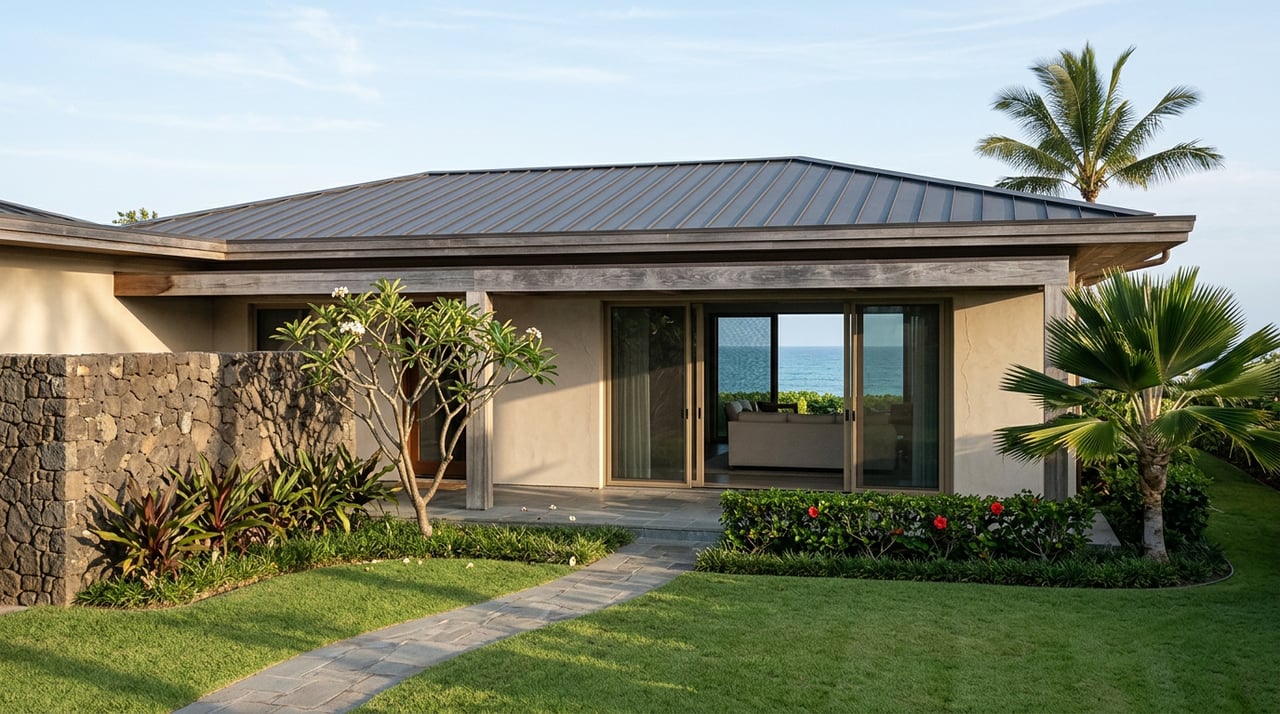
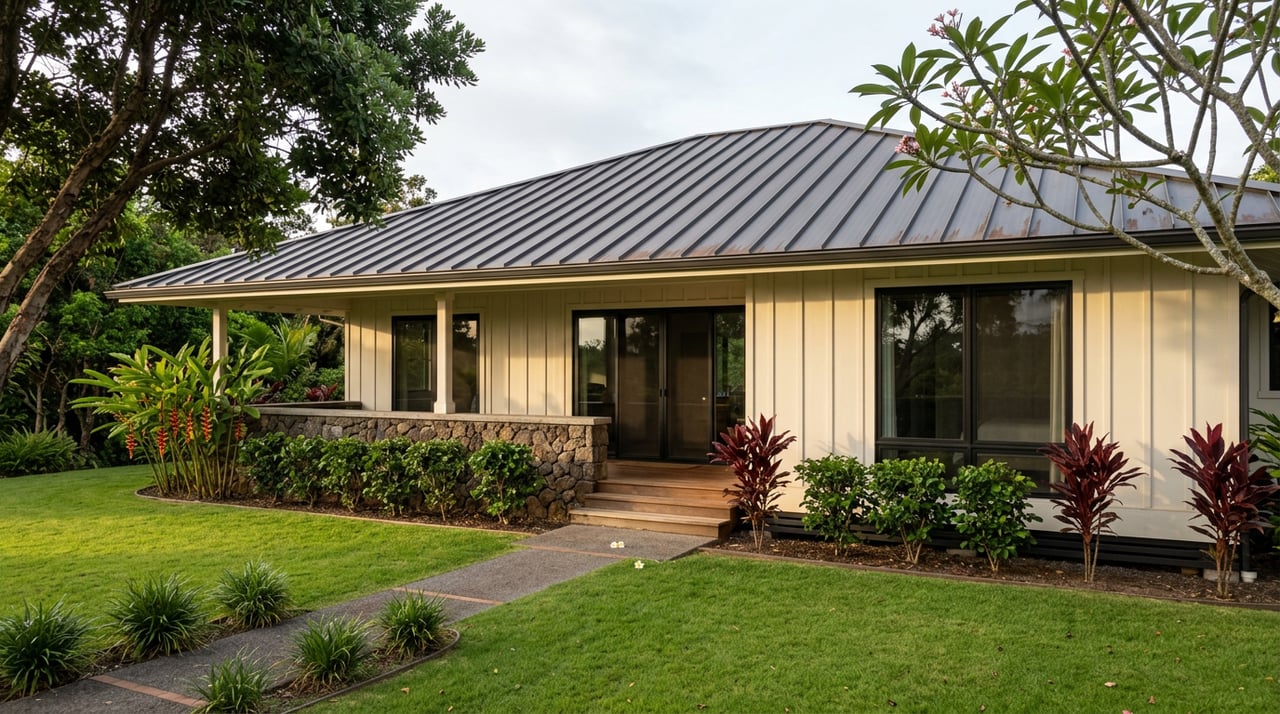
You will find single-family homes in town, larger estate and ranch properties, and rural residential lots. Some neighborhoods are newer, while others include historic or plantation-era homes. Agricultural-zoned parcels and pastureland are common for those seeking room for animals or small-scale farming.
Zoning, water, and wastewater
- Zoning matters. Residential, agricultural, and rural designations affect permitted uses, subdivision, and property tax treatment. Agricultural classifications can reduce taxes but often come with use rules.
- Water sources vary. Some homes are on county water. Others use private catchment, shared meters, or private wells. Always confirm the water source, service capacity, and any fees for a specific property.
- Wastewater systems differ. Older rural properties may use septic or cesspools. Hawaiʻi is phasing out cesspools, which can require an upgrade during ownership transfer. Factor this into your budget and timeline.
Costs, taxes, and insurance
Hawaii County assesses property taxes based on value and classification. Hawaiʻi has a General Excise Tax that affects business receipts and can influence transaction and service costs. Homeowner insurance and construction can be costlier than many mainland locations. Review coverage for wind, flood, and wildfire, and check FEMA flood maps and county hazard overlays for parcel-specific risk.
Daily life essentials
Schools and education
Public schools are managed by the Hawaiʻi State Department of Education. Several private schools, including Hawaii Preparatory Academy and Parker School, are in or near Waimea and draw families from across the island. If education is a priority, review current performance and enrollment information directly with the DOE and individual schools.
Healthcare access
North Hawaiʻi Community Hospital serves Waimea for primary and emergency care. For specialized treatments, many residents travel to larger facilities in Kona or Hilo. If you or a family member needs regular specialist care, double-check drive times and availability.
Groceries and services
Town offers grocery stores, hardware shops, banks, vets, and professional services. For big-box retail, specialized goods, and some medical services, residents commonly drive to Kona or Hilo. Farmers’ markets are popular and a great source of local produce and goods.
Internet and utilities
Electricity is provided by the island utility, and some homes use bottled propane. Broadband access varies across Waimea. In-town areas often have cable or DSL, with fiber in select pockets. Rural parcels may rely on DSL, fixed wireless, satellite services, or cellular hotspots. Cellular coverage can be patchy in rural terrain, so test your carrier at the address before you commit.
Getting around
Driving is essential. The Hele-On bus provides limited service that may not fit most daily routines, especially in rural areas. Waimea-Kohala Airport offers limited service. For most flights, Kona International Airport is typically under an hour away, depending on your location. Hilo International Airport serves the eastern side of the island.
Relocation logistics
Shipping household goods and vehicles
Plan early and get multiple quotes. Major carriers such as Matson and Pasha ship vehicles and household goods to Hawaiʻi. Inter-island barge options like Young Brothers handle moves within the state. Build in extra time for ocean transit and delivery scheduling.
Vehicles and personal items are subject to agricultural inspection. Clean vehicles thoroughly to remove soil and plant material.
Pets and biosecurity
Hawaiʻi is rabies-free and enforces strict pet import rules through the Hawaiʻi Department of Agriculture. If you meet pre-arrival requirements, pets can often be released quickly. If not, quarantine is possible. Confirm microchipping, rabies vaccinations, blood tests, and timing requirements well in advance.
Licensing and local requirements
New residents must obtain a Hawaiʻi driver’s license and register vehicles with the county within the state’s time frame after establishing residency. Confirm the current deadlines, documents, and fees with the Hawaiʻi County DMV. Check utility hookup availability and costs for electricity, water, and wastewater systems at your specific property.
Work and the local economy
Local jobs reflect Waimea’s ranching and agricultural roots, plus education, healthcare, small business, and nearby hospitality. Tourism is less concentrated in town than along the Kohala Coast, but resort areas support many jobs. Remote work is common for newcomers, but confirm address-level internet options and speeds before you make an offer.
How to choose a neighborhood
- Set your priorities. Consider lot size, proximity to schools, commute to Kona or Hilo, and access to paved roads.
- Confirm water and wastewater. Learn whether the property has county water or private systems, and whether it uses septic or a cesspool.
- Test connectivity. Verify broadband options and cellular coverage at the property.
- Think microclimate. Visit at different times and seasons to understand sun, wind, showers, fog, and drainage.
- Evaluate access. Drive the route to work, schools, and the coast during typical traffic times.
Smart due diligence checklist
- Schedule a general home inspection plus septic or cesspool inspection, roof and termite reports, and water source testing.
- Order a boundary survey for larger or rural parcels and check for erosion or drainage issues.
- Verify zoning and allowable uses if you plan agriculture or livestock.
- Confirm internet providers and speeds at the address.
- Get homeowner, flood, and auto insurance quotes early.
- Review county building permits and history if you plan to remodel or add structures.
- Obtain moving quotes and timelines, and understand inspection steps for vehicles.
- If you have pets, start HDOA steps early to qualify for quick release.
- Contact DOE and local private schools for enrollment windows and capacity.
Is Waimea right for you?
If you are drawn to ranchland views, cooler evenings, farmers’ markets, and a strong sense of community, Waimea offers a compelling upcountry lifestyle. You will trade quick access to big-box shopping for space, quiet, and a daily rhythm tied to the land. With thoughtful planning around water, internet, inspections, and moving logistics, your transition can be smooth and rewarding.
Ready to compare Waimea life with options on Kauaʻi or align your move with a purchase or sale on Kauaʻi? Call or text Michael Ambrose to discuss your goals and next steps.
FAQs
What is the difference between Waimea on Hawaiʻi Island and Waimea on Kauaʻi?
- Waimea on Hawaiʻi Island, also called Kamuela, is an upcountry ranching town; Waimea on Kauaʻi is a separate west-side town on a different island.
How long does shipping a car or household goods to Waimea take?
- Ocean freight typically takes several weeks, and inter-island barge schedules vary, so request estimates and timelines from carriers like Matson, Pasha, and Young Brothers.
What should I know about water and wastewater systems in Waimea?
- Some homes use county water while others rely on catchment or wells; older rural properties may have septic or cesspools, and Hawaiʻi is phasing out cesspools over time.
Is internet reliable enough for remote work in Waimea?
- It depends on the address; in-town areas may have cable or DSL with select fiber, while rural parcels often use DSL, fixed wireless, satellite, or hotspots, so verify speeds before buying.
Are there private schools near Waimea, and how do I verify options?
- Yes, options include Hawaii Preparatory Academy and Parker School; confirm enrollment timelines and current details directly with the schools and the Hawaiʻi DOE.
What natural hazards should I consider for Waimea homes and insurance?
- Evaluate parcel-specific flood, landslide, wind, and wildfire risks using FEMA and county hazard resources, and obtain quotes for homeowner and flood insurance early.