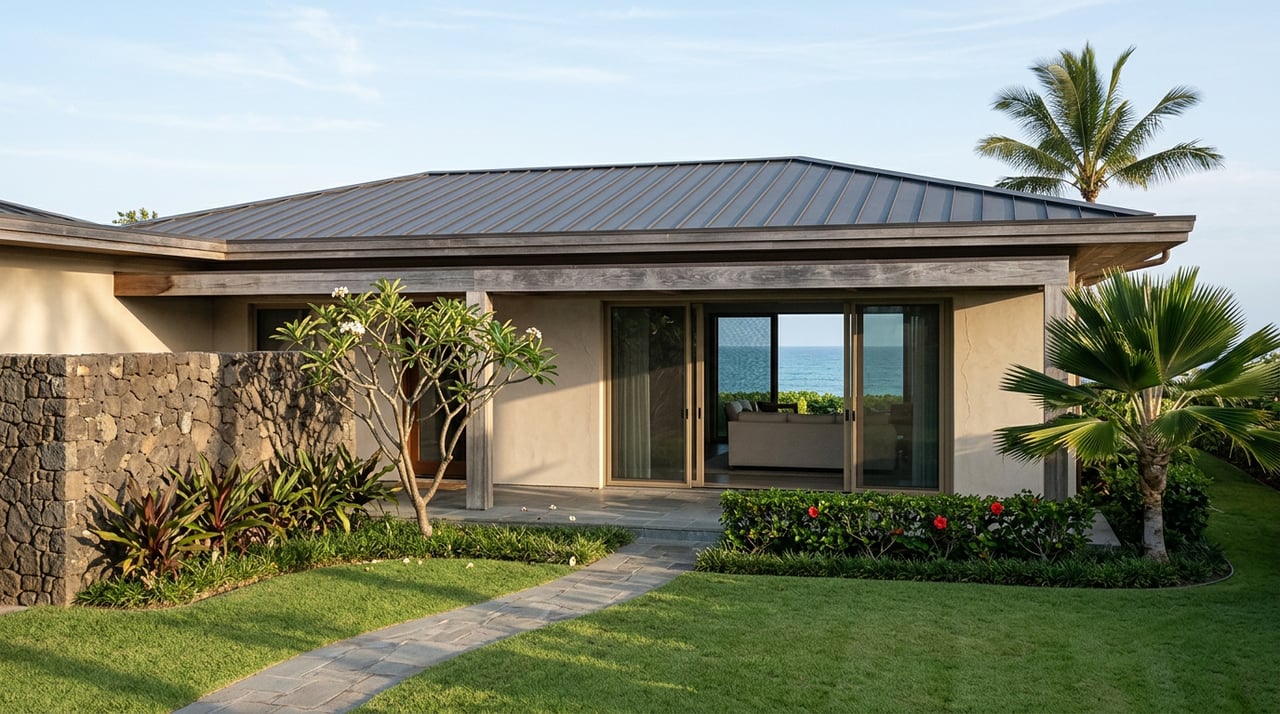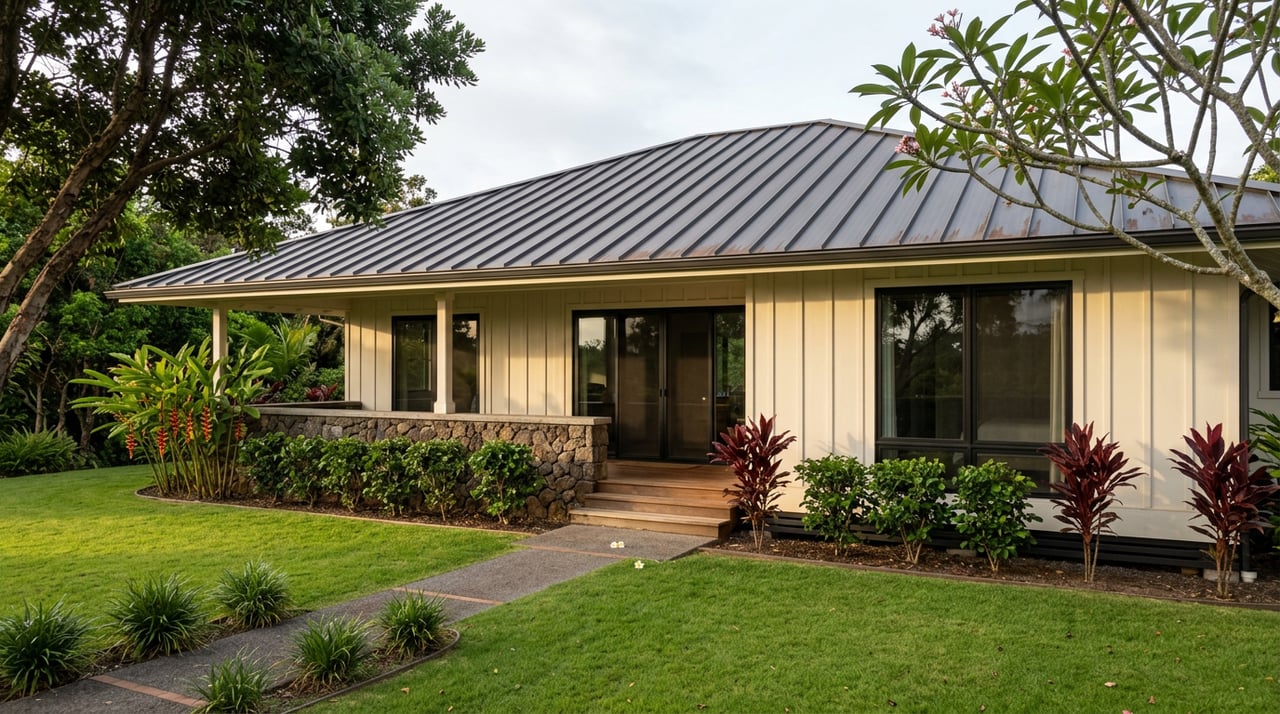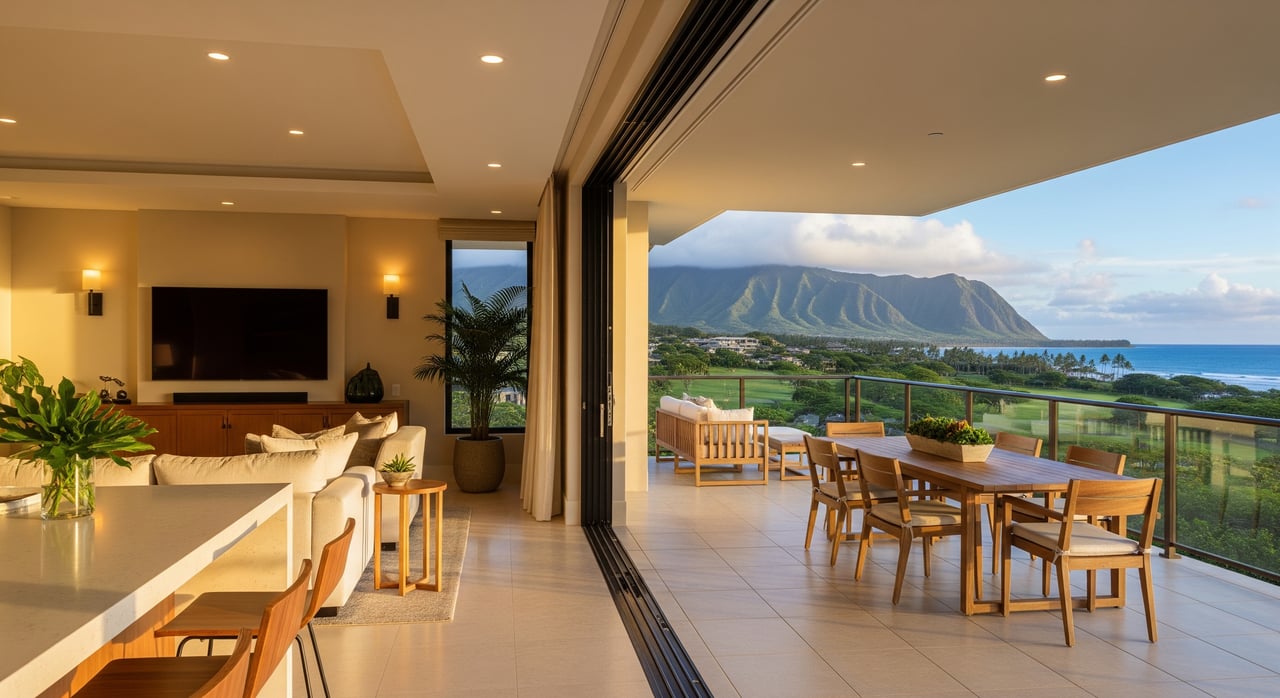
Buying a Princeville condo for vacation rental use can be a smart move, but not every unit will perform the same. Between HOA rules, evolving county policies, and guest expectations on Kauai’s North Shore, small details can make a big difference in your bottom line. In this guide, you’ll learn how to confirm rental eligibility, which features drive bookings, how to read the numbers, and what to request before you write an offer. Let’s dive in.
Confirm rental rules first
Short-term rentals work in Princeville when you confirm compliance at three levels: state taxes, county policy, and the specific condo’s HOA rules. State and county requirements can change, and HOAs can adopt new restrictions or fees over time. Verify everything in writing before you get too far.
Here’s what to confirm early:
- Tax registration and filings: make sure you understand Hawaii transient accommodations tax (TAT) and general excise tax (GET) registration, collection, and filing requirements for STRs.
- County policy: check current Kauai County planning or zoning rules that apply to short-term rentals, including any permits or minimum-stay rules.
- HOA authority: the condo’s CC&Rs and House Rules can allow, restrict, or prohibit STRs even if laws permit them. Ask for the exact clause and the current process for registration and enforcement.
- Insurance and lender limits: STRs often require specific insurance coverage, and some lenders limit financing for condos with high rental concentration. Ask lenders about condo project approval and underwriting early.
Action step: Before submitting an offer, request written confirmation from the HOA and, where applicable, Kauai County that short-term rentals are allowed for the specific unit, along with any minimum stay, registration, or program requirements.
Read HOA rules carefully
HOA and CC&R language directly shapes your rental strategy and net income. Read the full documents, not just summaries.
Key items to look for:
- Explicit STR policy: allowed with rules, capped, or prohibited. Confirm minimum-stay periods.
- Waiting lists and caps: some HOAs limit the number of STR units at any time.
- On-site management rules: a few associations require a designated manager or approved vendor list.
- Fees tied to STRs: extra administrative fees, deposits, or insurance requirements.
- Operational limits: quiet hours, occupancy and parking rules, and enforcement policies that can lead to fines.
- Update cadence: review recent HOA meeting minutes for pending votes or rule changes related to rentals.
Amenities that boost bookings
On Kauai’s North Shore, certain features consistently improve conversion rates and average daily rates.
Focus on:
- Views and location: ocean or sunset views, plus proximity to Hideaways or other access points and short drives to Hanalei Town, help pricing and demand.
- Resort-style amenities: pool and hot tub, tennis, golf proximity, gated entry, and concierge or on-site services are attractive to families and groups.
- Parking and access: guaranteed, convenient parking is a plus. Elevator access widens your guest base.
- In-unit essentials: a functional kitchen, in-unit laundry, reliable Wi‑Fi, AC or strong ceiling fans, and a private lanai all add value.
- Durable finishes: tile floors, corrosion-resistant fixtures, and marine-grade materials reduce maintenance in the salt-air environment.
Tip: Upper floors often deliver better views, while ground-floor units offer easy outdoor access that families appreciate. The right choice depends on your target guest and pricing strategy.
Floor plans guests love
Layout drives usability and flexibility, which show up in occupancy and ADR.
What to look for:
- Bedroom count with flexibility: 2-bedroom units that can function as a 1-bedroom plus lock-off capture couples in shoulder seasons and families in peak months.
- Bath setup: an ensuite primary plus a well-placed guest bath supports privacy for multi-family or friends traveling together.
- Social spaces: open living and kitchen areas work better than narrow, segmented layouts.
- Outdoor living: a usable lanai with seating and views increases appeal and rate potential.
Princeville demand and seasonality
Visitors choose Princeville for nature-forward North Shore access, Hanalei Bay, scenic hikes, and a quieter resort feel. Typical guests include couples, families, multi-family groups, and celebration trips. Week-long stays are common.
Expect a seasonal rhythm. Winter holidays and spring months often bring higher ADR and occupancy. Summer is strong but can vary by week, while shoulder periods may require strategic discounting and value adds. Pricing and pacing differ by view, amenities, and management quality, so plan to benchmark against comps.
Know the numbers that matter
Ask for verified performance and cost details. Do not rely on listing projections alone.
Request from the seller or manager:
- 12 to 36 months of monthly occupancy, ADR, gross revenue, and net operating income.
- Channel mix: direct bookings, resort desk, and OTAs, plus cancellations and lead times.
- Expense detail: management fees, platform fees, cleaning, utilities, linens, maintenance, and any HOA rental program fees.
Understand typical fee structures and ranges:
- Property management: full-service programs commonly run about 20 to 35 percent of rental revenue.
- Platform fees: many OTAs charge host fees, while cleaning fees are usually guest-paid but cleaning costs are your expense.
- Utilities: some associations include water and sewer; owners often cover electricity and internet. Verify what the HOA dues include and average monthly spend.
Run these baseline metrics:
- Gross revenue, total operating expenses, and net operating income.
- Cap rate and cash-on-cash return if financing.
- Break-even occupancy based on your expected ADR and all-in monthly costs.
Due diligence before you offer
Create a document checklist and a clear set of questions for the HOA, the seller, and any rental manager. Getting this right reduces surprises after closing.
Documents to request immediately:
- Full CC&Rs, bylaws, House Rules, and written STR policies or amendments.
- HOA meeting minutes for the past 12 to 24 months.
- HOA budget, reserve study, current dues, recent or pending special assessments.
- HOA insurance declarations and owner insurance requirements.
- Unit rental history for 12 to 36 months with line-item expenses.
- Copies of any rental program agreements and fee schedules.
- Building inspection reports, pest or termite reports, and recent repair invoices.
- Seller disclosures and proof of TAT and GET filings for the unit.
Questions for the HOA or property manager:
- Are STRs permitted and what is the minimum stay and registration process?
- Are there caps on STR units and is there a waiting list?
- Is a specific management company or on-island contact required?
- What extra fees, deposits, or insurance do STR owners need?
- How are utilities allocated and billed?
- Any recent fines, enforcement actions, litigation, or expected capital projects?
- Is the building in a flood or tsunami zone and what are the emergency protocols?
Questions for the seller or rental manager:
- Month-by-month occupancy, ADR, gross and net revenue for 12 to 36 months.
- Average cost per turnover for cleaning, laundry, and supplies.
- Booking channels used, direct vs OTA mix, cancellations, and typical guest lead times.
- On-island maintenance setup and average annual maintenance costs.
- Any deferred maintenance or guest-related disputes.
Questions for lenders:
- Any limits on condos that permit STRs and whether the project has approval.
- How projected rental income is treated for qualification.
- Available loan options for tourist-market condos with STR activity.
Plan your operations
Performance depends on clean execution once you own the unit. Build your plan now so you can launch strong.
Consider these steps:
- Decide on self-management vs professional management and compare net outcomes after fees and your time value.
- Budget for tropical maintenance and faster replacement cycles for appliances and finishes.
- Install keyless entry and provide a clear house manual and local guide for guests.
- Offer reliable Wi‑Fi, stocked beach gear, and responsive local support.
- Create a safety plan with tsunami information and emergency contacts.
- Track income and expenses cleanly for TAT and GET reporting with an accountant experienced in Hawaii STRs.
Ready to evaluate properties?
If you want a Princeville condo that performs, focus on eligibility, layout, and verified numbers before you fall in love with the view. The right unit and management plan can capture peak-season pricing and steady shoulder-season bookings. With a clear checklist and local guidance, you can buy with confidence and hit the ground running.
If you’d like help sourcing listings, pulling STR comps, gathering HOA documents, and coordinating a remote-friendly purchase, reach out to Michael Ambrose. Call or text anytime to discuss your Kauai real estate goals.
FAQs
What makes a Princeville condo strong for vacation rentals?
- Units that are STR-eligible, offer views or easy access to North Shore attractions, have in-unit laundry and a usable lanai, and show verified revenue and expense history.
Are short-term rentals allowed in all Princeville condos?
- No, STR permission varies by condo and HOA; confirm the exact CC&R clause, any caps, minimum stays, and registration steps in writing before you offer.
Which amenities matter most to North Shore guests?
- Reliable Wi‑Fi, functional kitchens, quality furnishings and linens, beach gear, pool or hot tub access, parking, and outdoor seating with views.
How does seasonality affect pricing in Princeville?
- Winter holidays and spring months often bring higher ADR and occupancy, summer is solid, and shoulder seasons may require pricing flexibility and value adds.
What management fees should I plan for on Kauai?
- Full-service property management commonly ranges around 20 to 35 percent of rental revenue, with additional platform and cleaning costs to account for.
Do I need air conditioning in a Princeville vacation rental?
- AC is not universal, but units with AC often convert better and support higher ADR, especially during humid periods.
What documents should I request before making an offer?
- CC&Rs, House Rules, HOA budget and reserves, meeting minutes, insurance requirements, STR policies, rental history with expenses, and proof of TAT and GET filings.
How can a local agent help evaluate STR potential?
- A local agent can pre-screen HOA rules, source unit-level performance data, benchmark comps, flag risk factors, and manage a remote-friendly closing timeline.