Ever notice how one part of Kauai feels cooler and breezier than another, even just a short drive away? If you are comparing Kalaheo with coastal neighborhoods like Poipu, that small shift inland and upslope changes how a home lives day to day. You want the right fit for comfort, energy use, materials, and maintenance. This guide shows how Kalaheo’s microclimate shapes smart home choices so you can buy with confidence. Let’s dive in.
Why Kalaheo feels different
Elevation and breezes
Kalaheo sits inland at roughly 682 feet above sea level. That elevation is a simple reason it often feels a little cooler and breezier than the immediate coast. The higher position also interacts with the island’s winds and terrain to create local variations from one ridgeline or valley to the next. You can confirm Kalaheo’s location and elevation in the U.S. Gazetteer entry for the town on Wikipedia.
Rainfall patterns on the south side
Kauai has some of the steepest rainfall gradients in Hawaii. The south shore near Poipu is among the drier pockets, while inland and upcountry areas receive more frequent showers. The University of Hawaii’s Rainfall Atlas of Hawaii maps these patterns at a parcel scale, which is the best way to set expectations for a specific property. In simple terms, Kalaheo often gets more rainfall than Poipu, which influences materials, drainage, and upkeep.
What it means for comfort and energy
Temperature and AC use
Expect a small average temperature difference in Kalaheo compared with sea level. A basic lapse-rate estimate suggests about 2 to 3 degrees Fahrenheit cooler at Kalaheo’s elevation. That is a modest change, but combined with trades it can reduce cooling needs. For context, state climate tables list Poipu’s 30-year average temperature around 70.9 F and Lihue around 70.6 F in a narrow year-round range, which aligns with Kauai’s generally mild feel in the DBEDT Data Book. If you like natural ventilation and ceiling fans, you may find AC is optional much of the year.
Wind and ventilation
Kalaheo often benefits from steady trade-wind breezes that help with natural cooling. Local topography can still channel or block wind, so site orientation matters. Homes that capture cross-breezes feel more comfortable and less humid day to day.
Humidity and mold risk
With more frequent rain and persistent humidity, moisture control deserves attention. Follow EPA guidance to manage indoor humidity under about 50 percent, exhaust baths and kitchens outdoors, and dry any wet materials within 24 to 48 hours to reduce mold risk. You can review prevention and cleanup best practices on the EPA’s mold resource.
Smart design choices in Kalaheo
Ventilation and windows
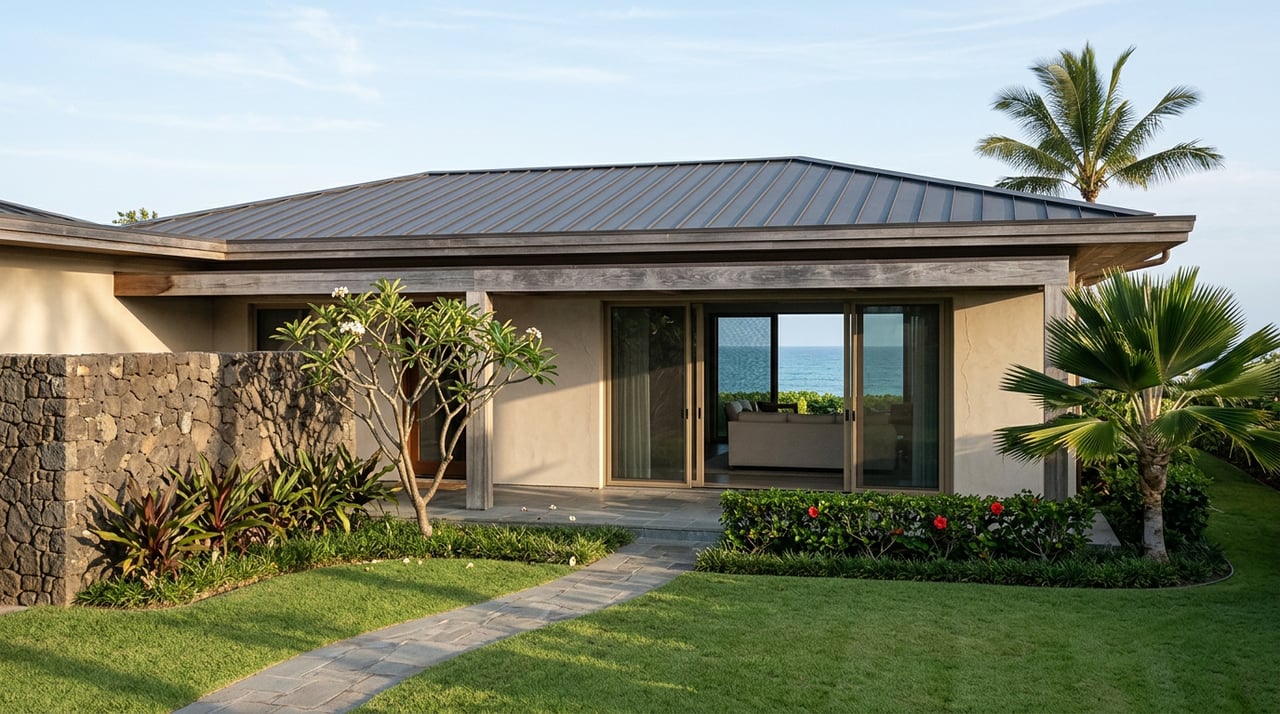
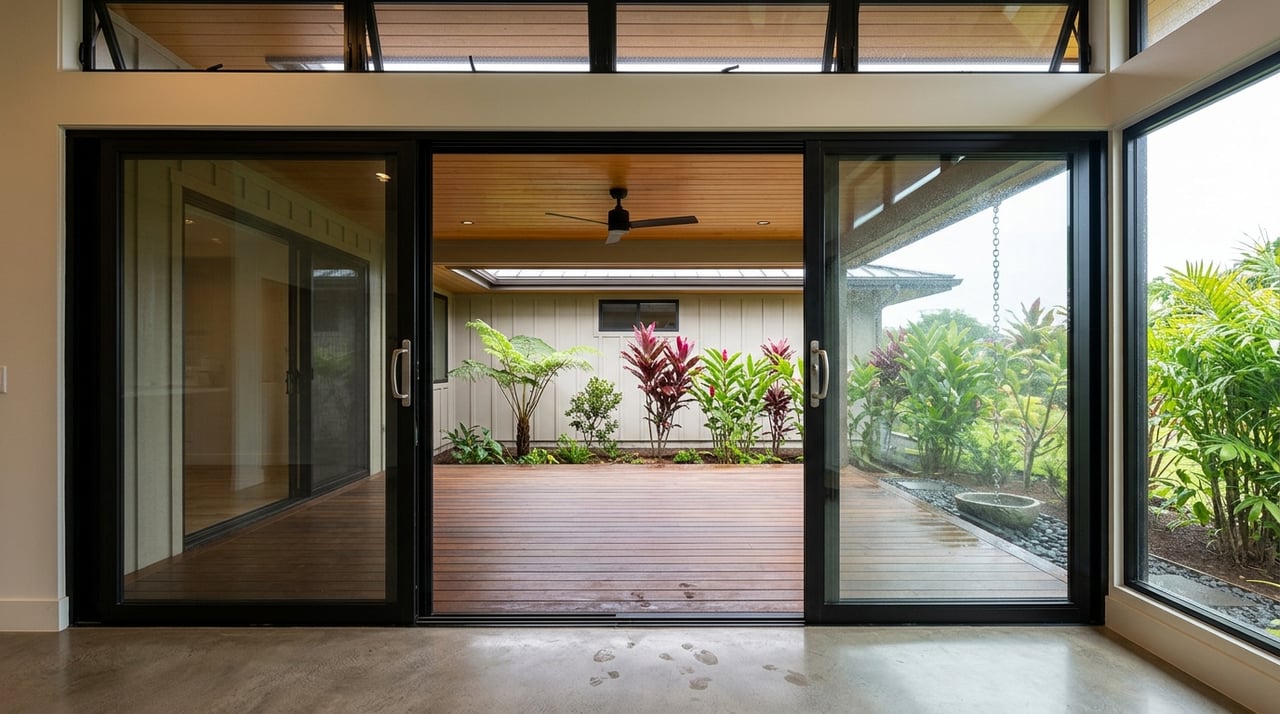
Prioritize cross-ventilation with operable windows on opposing walls. Wide eaves and covered lanais let you keep windows open in light rain. Consider window frames and hardware designed for humid environments and low-E glazing where afternoon sun is strong.
Roofs, gutters, and rain control
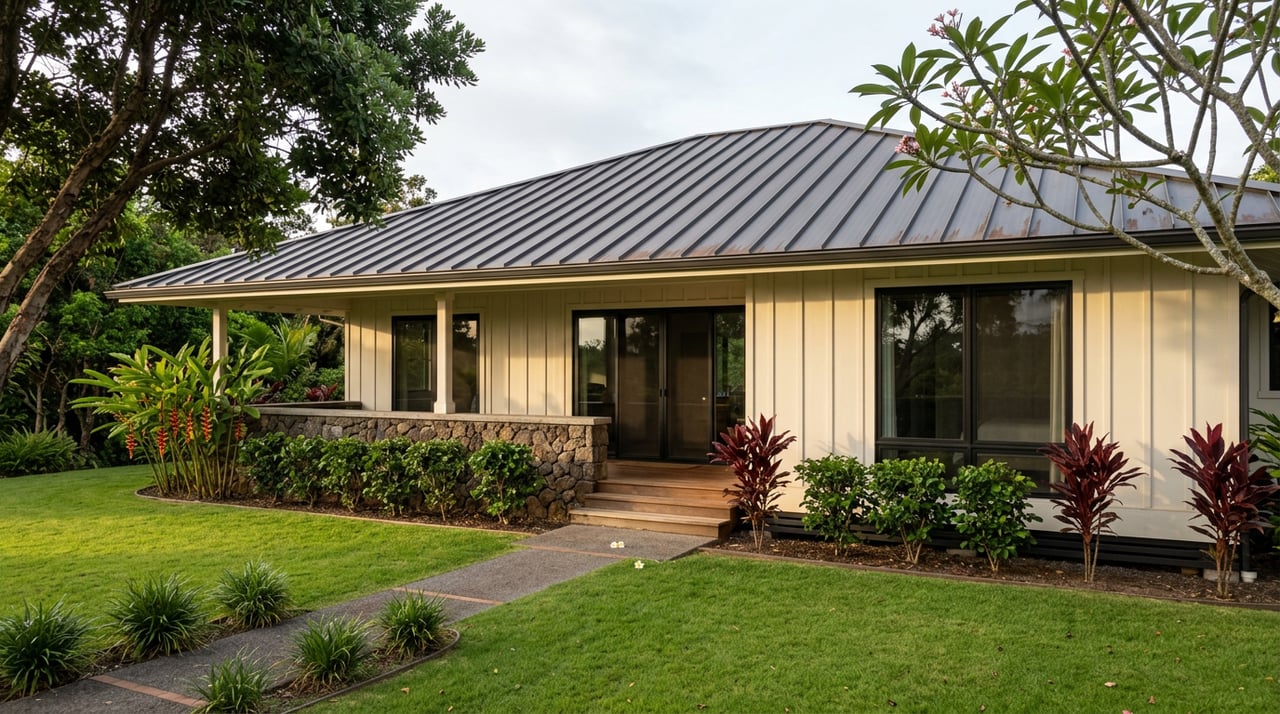
Many Kalaheo locations see more frequent rain than the driest coastal pockets. Look for well-detailed roofing and flashing, with clean, adequately sized gutters and downspouts that carry water away from the foundation. Ask about history of roof maintenance and any leak repairs.
Materials that last
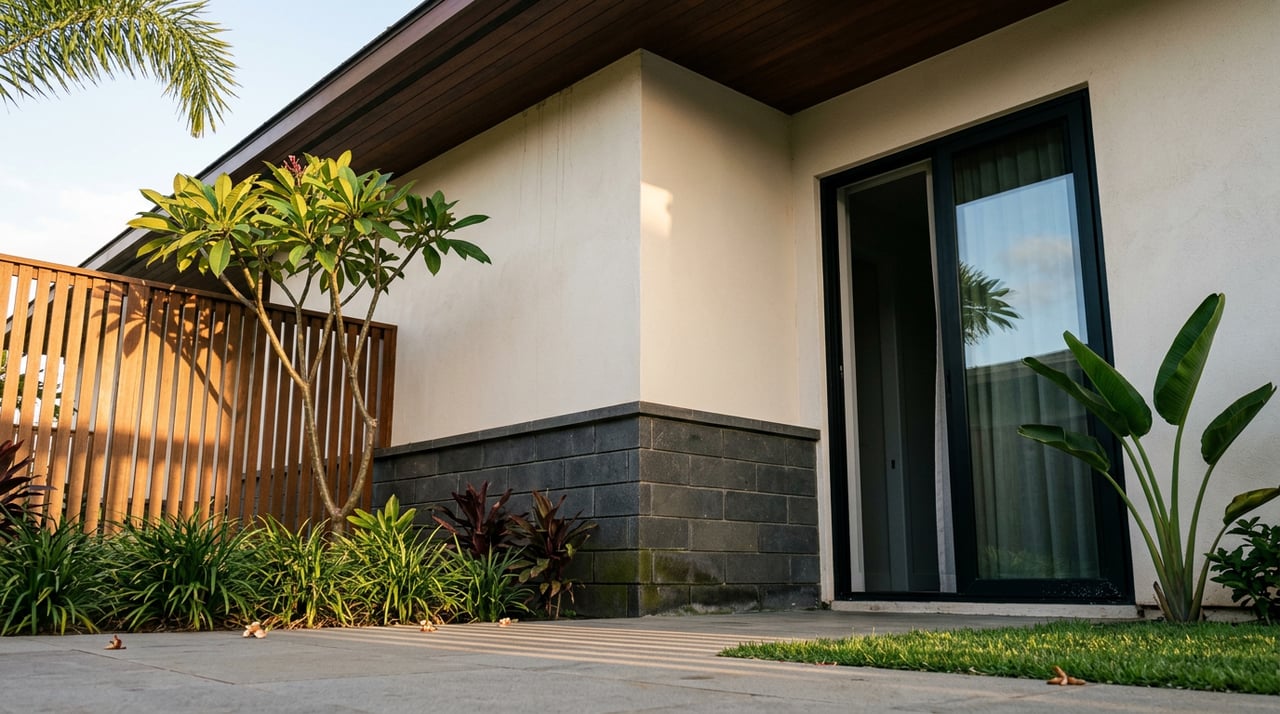
Choose rot-resistant or well-detailed cladding, breathable coatings, and exterior finishes that handle humidity. Expect a more regular cleaning and painting cycle in shaded, damp areas due to algae or mildew. If you are comparing with a coastal property in Poipu, remember that near-ocean homes face extra salt-spray corrosion, and national coastal guidance recommends stainless or heavy-galvanized connectors. You can see those recommendations in the FEMA coastal construction manual.
HVAC and dehumidification
Because average temperatures are mild and breezes are common, right-sized cooling is often enough. Heat-pump minisplits with strong dehumidification controls can improve comfort and reduce mold risk during muggy stretches. Ask for the system specs and where condensate drains so you can verify proper moisture management.
How microclimate shapes daily life
Outdoor living
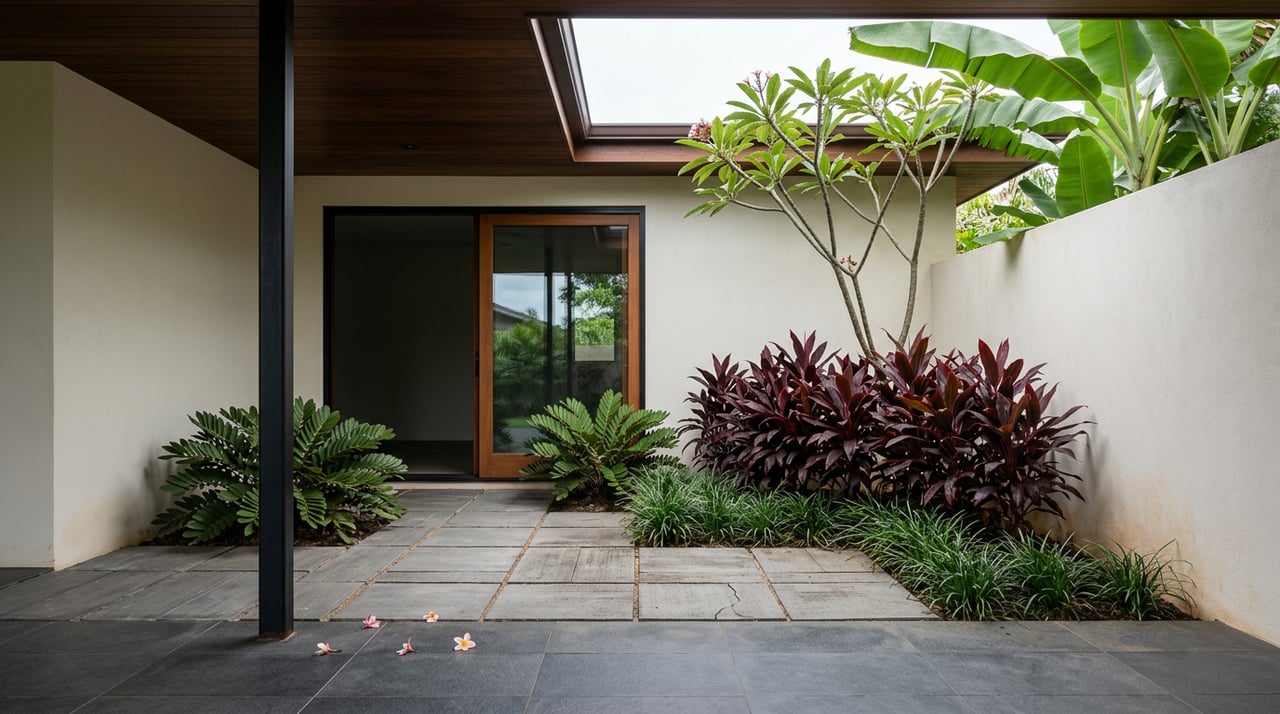
A covered lanai, screened openings, and flexible outdoor rooms make it easy to enjoy fresh air even in light rain. Plan storage for cushions and outdoor fabrics that dry quickly.
Landscaping and drainage
Kalaheo’s moisture supports lush planting palettes, including fruit trees and larger ornamentals. Check that grading slopes away from the home and that downspouts discharge to safe areas. On steeper lots, look for erosion control and pathways that stay usable when it showers.
Termites and wood durability
Subterranean termites are a Hawaii-wide reality, and wetter sites increase the chance of wood moisture problems. Standard practice includes termite-resistant details, pressure-treated lumber where required, and a licensed termite inspection for older homes. Budget for ongoing monitoring.
Buyer checklist for Kalaheo homes
- Confirm property elevation and nearby topography. Use the Rainfall Atlas to understand expected rainfall at the parcel.
- Evaluate roof condition, flashing, and gutter/downspout capacity. Review any leak or repair history.
- Check for signs of moisture or mold. If needed, request a moisture or mold inspection and follow EPA guidance on prevention and cleanup.
- Review HVAC type and dehumidification capability. Look for heat-pump minisplits with good humidity control.
- If you are also viewing coastal homes, ask about corrosion-resistant fasteners and hardware per FEMA coastal guidance.
- Confirm landscaping grades, drainage paths, and erosion control on slopes.
- Request termite inspection records and understand preventative treatments.
Kalaheo vs Poipu at a glance
- Temperature: Kalaheo is typically a few degrees cooler due to elevation. A standard lapse-rate estimate supports the difference, on the order of 2 to 3 F for Kalaheo’s height.
- Rainfall: Poipu’s 30-year normal at Makahuena Point is about 34.6 inches per year, while many inland Kalaheo-area pixels map higher on the Rainfall Atlas. Lihue’s normal is around 39.2 inches per year as a regional reference in the DBEDT tables.
- Wind: Kalaheo often sees steady trade-wind ventilation. Site orientation still matters for comfort.
Your next step
The right Kalaheo home pairs island living with smart moisture, ventilation, and materials choices that fit the upcountry climate. If you are weighing Kalaheo against Poipu or other south-shore neighborhoods, a local, hands-on approach will help you compare features and plan for upkeep with confidence. Call or text to walk through options, from passively cooled homes to investor-friendly properties, and get clear next steps tailored to your goals. Connect with Michael Ambrose to start the conversation today.
FAQs
How does Kalaheo’s elevation change temperatures?
- Kalaheo’s inland elevation around 682 feet typically makes it about 2 to 3 F cooler than sea level, a rule-of-thumb based on standard lapse-rate reasoning and local context in the state climate tables.
Does Kalaheo get more rain than Poipu?
- Many Kalaheo parcels map higher for annual rainfall than Poipu’s coastal pocket, which averages about 34.6 inches per year. Use the University of Hawaii’s Rainfall Atlas for parcel-level expectations.
Do you need air conditioning in Kalaheo homes?
- Many homes are comfortable much of the year with trades, ceiling fans, and cross-ventilation, but dehumidification or an efficient AC system improves comfort during muggy periods and helps reduce mold risk per EPA guidance.
What materials hold up best in Kalaheo’s humidity?
- Rot-resistant or well-detailed cladding, breathable coatings, and moisture-smart building details perform well. Near the ocean, corrosion-resistant connectors are advised per FEMA coastal guidance.
How can I estimate rainfall for a specific Kalaheo property?
- Enter the location on the Rainfall Atlas of Hawaii to view mapped annual means at a fine scale, then pair that with a site inspection to assess drainage and maintenance needs.