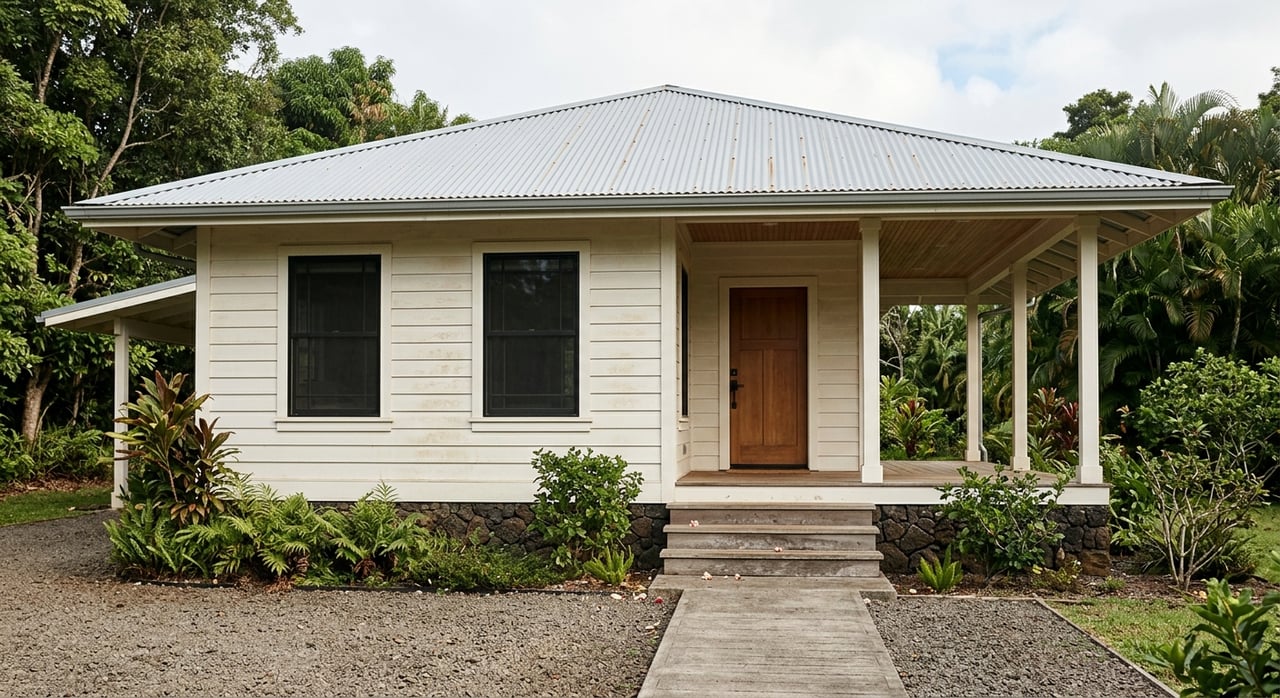
Wondering what makes a Waimea home feel truly Waimea? If you are shopping for property here, you will quickly notice that plantation cottages and ranch-influenced homes offer a very different experience from coastal resort inventory. Understanding those differences can help you spot the right fit, ask better questions, and avoid surprises during due diligence. Let’s dive in.
Why Waimea Feels Different
Waimea sits on an inland plateau in South Kohala, not along the coast. County planning documents describe a landscape of rolling hills, volcanic puʻu, pasture, and forest between the Kohala Mountains and Mauna Kea. The area’s elevation and exposure to fog, mist, rain, and wind all shape how homes are built and maintained.
That setting is a big reason Waimea feels more rural and land-oriented than a typical subdivision. Local planning also emphasizes preserving distinct character, agricultural lands, and open space. For you as a buyer, that means the home itself is only part of the story.
Plantation Homes in Waimea
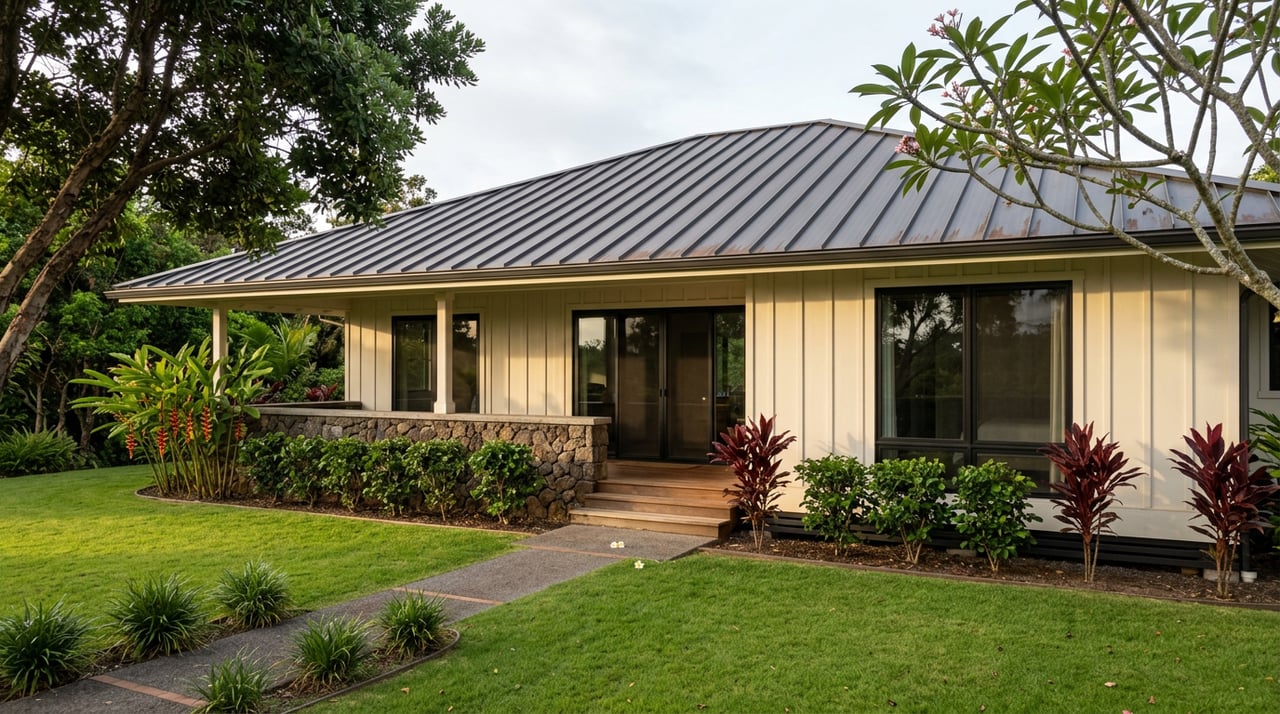
Plantation-style homes in Hawaiʻi follow a simple, functional design language. According to the National Park Service, these homes are usually single-story wood-frame cottages with rectangular plans, open porches, vertical board or board-and-batten siding, and gable or hip roofs with overhanging eaves. Windows and doors are typically arranged in singles or pairs.
In practical terms, plantation cottages tend to feel compact and porch-centered. Their character often comes from scale, airflow, and proportion more than from ornate details. If you are drawn to older homes with a straightforward layout and a strong connection to the outdoors, this style may stand out to you.
Common Plantation Cottage Features
- Single-story layout
- Simple rectangular footprint
- Wood-frame construction
- Open porch or lanai area
- Vertical siding
- Gable or hip roof with overhanging eaves
- Compact room sizes and practical floor plans
In Waimea, this style also fits the upland climate well. At the same time, the combination of older wood construction and local weather can create more maintenance needs over time.
Ranch Homes in Waimea
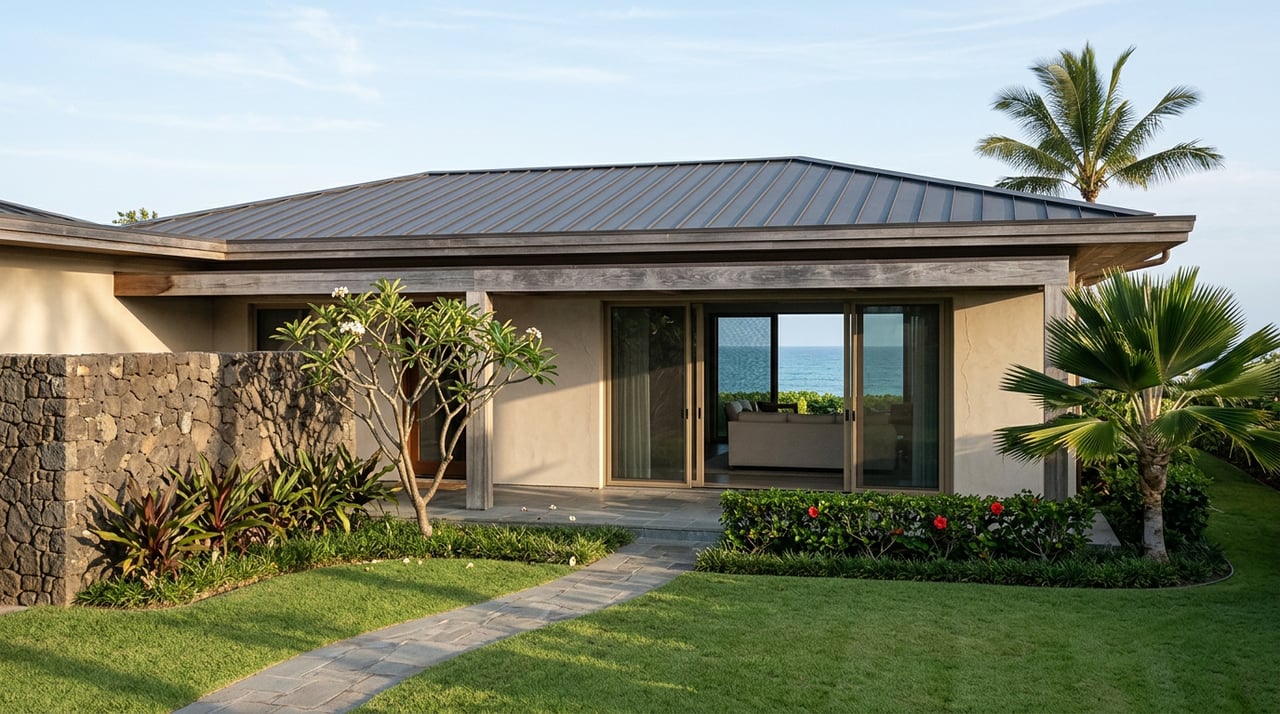
Ranch-influenced homes use a different design vocabulary. The National Park Service describes Ranch style as a long, horizontal, usually one-story form with a low-pitched roof, wide eaves, broad windows, and a more open floor plan. The style became popular in the mid-20th century and tends to support informal indoor-outdoor living.
In Waimea, ranch influence often blends with the local landscape rather than appearing as a strict mainland version of a ranch house. You may see broader footprints, lanais, longer driveways, and a stronger relationship between the house and the surrounding land. In many cases, the setting feels just as important as the floor plan.
Common Ranch-Influenced Features
- Longer, lower profile
- Wider footprint
- Low-pitched roof
- Broad windows
- Open living areas
- Attached or nearby vehicle storage in some cases
- Strong visual connection to the land
If you want more spread-out living space and a home that feels grounded to a larger parcel, a ranch-influenced property may be worth a closer look.
Plantation vs. Ranch: What Buyers Notice
Both styles can work beautifully in Waimea, but they often appeal to buyers for different reasons. Plantation cottages usually feel smaller, simpler, and more traditional in form. Ranch homes often feel broader, more open, and more connected to larger lots.
Here is a quick comparison:
| Feature | Plantation Cottage | Ranch-Influenced Home |
|---|---|---|
| Overall form | Compact and simple | Long and horizontal |
| Typical layout | Smaller, practical rooms | More open floor plan |
| Visual focus | Porch and proportions | Footprint and land connection |
| Exterior feel | Vertical elements, cottage scale | Broad lines, wider eaves |
| Buyer appeal | Historic character and simplicity | Space and indoor-outdoor flow |
In Waimea, you may also find homes that borrow from both traditions. That is why it helps to look beyond listing labels and focus on actual design, condition, and land use.
Why the Lot Matters So Much
In many markets, buyers focus mainly on square footage and finishes. In Waimea, parcel shape, slope, access, and permitted use can matter just as much. County planning documents specifically point to preserving pasture, forest, small farms, small ranches, and open-space patterns, especially in parts of East Waimea.
That planning context affects how land is divided and used. A larger parcel does not automatically mean unrestricted flexibility. Before you fall in love with a house because it sits on more land, it is smart to verify how that parcel is zoned and what limitations may apply.
Parcel Questions to Ask Early
- Is the property on an agricultural parcel or a residential lot?
- What are the setback requirements?
- Are there slope, access, or land-use constraints?
- Are subdivision limits relevant to the property?
- What do TMK and subdivision maps show?
- Are there flood zone considerations?
These details can shape your long-term plans as much as the home’s layout does.
Climate and Maintenance in Waimea
Waimea’s climate plays a major role in homeownership. The area’s mid-elevation setting brings cooler temperatures, annual rainfall around 30 inches in the Waimea soil series, and strong winds are common. County planning materials also describe the local landscape as green from fog, mist, and rain.
For buyers, that means weather exposure is not just background information. It can affect siding, windows, roof edges, drainage, and porch structures over time. This is especially important if you are considering an older plantation cottage or a ranch-era home with wood components.
What to Inspect Carefully
- Roof condition and roof edges
- Wood siding condition
- Windows and weather exposure
- Drainage around the home
- Lanai or porch structure
- Foundation or post-and-pier supports
- Overall maintenance history
A well-kept older home can be very appealing, but maintenance history matters. In Waimea, condition often tells you as much as style.
Wastewater and Utility Verification
One of the most important steps in rural property due diligence is verifying the wastewater system. The Hawaiʻi Department of Health advises buyers to identify the exact wastewater system on a property. That matters because cesspools discharge untreated wastewater, and every cesspool in Hawaiʻi must be upgraded or connected to sewer by January 1, 2050.
The department also notes that new owners are responsible for bringing a noncompliant system into compliance. You should not assume sewer service is available just because a property is improved or occupied. This is a parcel-by-parcel question, and it is worth confirming before closing.
A Smart Buying Approach in Waimea
If you are buying in Waimea, the best approach is to balance architecture, land, and infrastructure. A charming plantation cottage may offer timeless character, but you also need to understand condition and system upgrades. A ranch-influenced home may give you a broader footprint and a stronger land connection, but parcel restrictions can still shape what you can do with it.
In other words, buying here is not just about picking a house style. It is about matching your goals to a property’s design, setting, and practical realities. When you evaluate those pieces together, you can make a much more confident decision.
What This Means for You as a Buyer
If you love simplicity, historic character, and cottage scale, plantation homes may be the right place to focus. If you want a wider footprint, more open living, and a stronger sense of connection to the land, ranch-influenced homes may fit better. Either way, Waimea rewards buyers who look closely at both the home and the parcel.
The right property here is often the one that aligns with how you plan to live, maintain, and use the land over time. If you take the time to understand those details early, you will be in a much stronger position when the right opportunity appears.
If you are planning a Hawaii property search and want clear, hands-on guidance through the details, Michael Ambrose offers responsive support, practical insight, and smooth transaction management from start to finish.
FAQs
What defines a plantation home in Waimea for buyers?
- A plantation home in Waimea is typically a compact, single-story wood-frame cottage with a simple rectangular plan, porch-centered design, vertical siding, and a gable or hip roof with overhanging eaves.
What defines a ranch home in Waimea for buyers?
- A ranch-influenced home in Waimea is usually broader and more horizontal in form, with a low-pitched roof, wider footprint, broad windows, and a stronger connection between the home and the surrounding land.
Why do Waimea lots require extra due diligence for buyers?
- Waimea lots require extra due diligence because parcel shape, slope, access, zoning, setbacks, and land-use limitations can affect how the property may be used now and in the future.
What should buyers inspect on older Waimea homes?
- Buyers should pay close attention to roof condition, siding, windows, drainage, lanai or porch structure, foundation or post-and-pier supports, and the home’s overall maintenance history.
Should buyers assume a Waimea property has sewer service?
- No. Buyers should verify the exact wastewater system on the property, including whether it uses a cesspool, septic system, or another setup, and confirm any upgrade obligations.
Why does Waimea feel different from coastal Hawaii markets?
- Waimea feels different because of its inland plateau setting, cooler and windier climate, ranch history, and planning priorities that emphasize agriculture, open space, and rural character.